Shubman Gill's Ranji Return: How Domestic Captaincy Sharpens India's Test Leadership
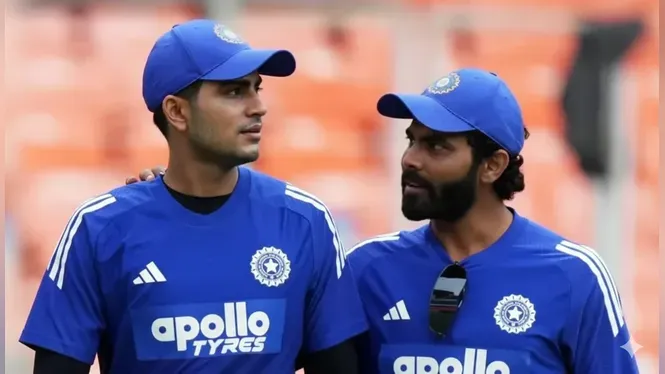
In a bold move signaling his commitment to leadership growth, India's Test and ODI captain Shubman Gill will lead Punjab in their Ranji Trophy clash against Saurashtra just days after India's ODI series defeat to New Zealand. This strategic return to domestic cricket offers Gill a rare opportunity to refine his tactical acumen in the pressure-cooker environment of first-class cricket while wearing dual leadership hats for India and Punjab.
The Immediate Transition: From International Setback to Domestic Challenge
Fresh from India's 1-2 ODI series loss against New Zealand, Gill has chosen immediate red-ball action over rest, confirming his participation in Punjab's crucial Ranji Trophy fixture starting this Thursday, January 22 in Rajkot. This marks Gill's first appearance in the 2025-26 Ranji Trophy season and comes at a critical juncture for both the batsman and Indian Test cricket.
The decision mirrors similar moves by senior all-rounder Ravindra Jadeja, who will represent Saurashtra in the same match, creating an intriguing subplot of national teammates competing in the domestic arena. Cricket experts view this rapid transition from limited-overs internationals to multi-day domestic cricket as a deliberate strategy by India's leadership group to maintain competitive edge in Test cricket.
Domestic Grind: The Unseen Leadership Laboratory
Gill's Ranji Trophy comeback represents more than just a form-refining exercise. As captain of both the Indian Test team and Punjab's domestic side, the 24-year-old faces the unique challenge of implementing leadership philosophies across different competitive environments. Both Gill and Jadeja aim to regain form and red-ball rhythm following India's ODI series setback, using this domestic fixture as crucial preparation for upcoming international assignments. Domestic cricket provides a distinct testing ground where captains must:
- Manage diverse player skill levels compared to international setups
- Navigate challenging pitch conditions across India's varied venues
- Make tactical decisions without reliance on world-class bowling attacks
- Develop man-management skills with less experienced teammates
This Rajkot fixture becomes particularly significant as Gill returns to red-ball cricket after recovering from injury, according to some reports. His performance and leadership decisions will be closely monitored by national selectors ahead of India's upcoming Test commitments.
The Captaincy Crucible: Contrasting International and Domestic Demands
Gill's dual leadership role creates a fascinating case study in adaptive captaincy. While international cricket demands managing established stars and instant results, Ranji Trophy leadership requires nurturing emerging talent through four-day marathons. This contrast offers Gill opportunities to:
1. Experiment with Field Placements: Domestic cricket allows captains to test unconventional field settings against lesser-known opponents without high-stakes consequences.
2. Refine Bowling Rotations: With potentially weaker bowling resources at state level, Gill must master the art of maximizing output from available bowlers across long innings.
3. Develop Tactical Patience: The slower tempo of first-class cricket versus ODI matches demands different strategic rhythms, helping captains cultivate persistence in pursuit of results.
4. Enhance Crisis Management: Domestic games frequently present scenarios where captains must rescue matches from difficult positions - ideal preparation for high-pressure Test situations.
Historical Precedent: How Great Captains Used Domestic Cricket
Gill's approach follows a tradition of successful Test captains who maintained strong domestic connections. Legends like MS Dhoni, Rahul Dravid, and Sourav Ganguly frequently returned to Ranji Trophy cricket during their international careers, using these matches to:
- Stay connected with grassroots cricket structures
- Identify emerging talent for national contention
- Test new strategies in competitive but lower-pressure environments
- Maintain technical proficiency in traditional cricket formats
This Rajkot match continues that legacy, with both Gill and Jadeja demonstrating commitment to domestic cricket despite their established international status. Their presence significantly boosts the profile of the Ranji Trophy while providing younger players invaluable exposure to world-class competitors.
The Road Ahead: Leadership Development for Critical Assignments
Gill's Ranji Trophy return carries added significance given India's packed international calendar. As Test captain, he faces the challenge of maintaining India's dominance in home conditions while improving overseas performance. The domestic stint offers crucial preparation time to:
Regain Red-Ball Rhythm: After limited-overs focus during the New Zealand series, Gill can recalibrate his technique for longer formats through extended time at the crease.
Assess Emerging Talent: Leading Punjab provides firsthand evaluation of players who could potentially strengthen India's Test bench strength.
Build Tactical Nuance: Four-day matches demand different captaincy approaches compared to ODI cricket, particularly in managing bowling resources and declaration strategies.
Cricket analysts suggest this domestic interlude could prove particularly valuable ahead of India's upcoming Test series, where Gill's leadership decisions will face intense scrutiny. The Rajkot match against Saurashtra serves as an ideal laboratory for testing ideas that might later be deployed on the international stage.
The Bigger Picture: Domestic Cricket's Role in National Team Development
Gill and Jadeja's simultaneous return to Ranji Trophy action highlights the BCCI's renewed emphasis on domestic cricket as foundational to international success. This approach addresses recent concerns about:
- Diminishing importance of first-class cricket among established players
- Technical deficiencies appearing during Test matches
- Leadership pipeline development for future captaincy needs
By having their Test captain actively participate in Ranji Trophy, Indian cricket administration reinforces the message that domestic cricket remains vital for player development at all career stages. This move also inspires younger players seeing national heroes compete alongside them in state tournaments.
The Jadeja Factor: Leadership Lessons Through Rivalry
The Punjab-Saurashtra clash gains additional significance with Ravindra Jadeja captaining the opposition. This creates a unique scenario where India's Test captain faces one of his most experienced international teammates in domestic competition. Such encounters offer:
Tactical Insight Exchange: Competing against a seasoned campaigner like Jadeja provides Gill opportunities to observe different leadership approaches firsthand.
Enhanced Competitive Spirit: Facing a fellow international elevates the match intensity, better simulating Test match pressures.
Relationship Building: Captaining against a senior colleague can strengthen mutual understanding that translates to better teamwork in national colors.
This dynamic adds strategic depth to what might otherwise be viewed as a routine domestic fixture, transforming it into a meaningful leadership development opportunity for both players.
Looking Forward: Implications for Indian Cricket
As Gill takes the field in Rajkot, his performance and leadership decisions will be analyzed for signs of growth in three critical areas:
1. Tactical Maturity: How he manages game situations without access to India's world-class bowling resources
2. Man-Management Skills: His ability to motivate state teammates of varying experience levels
3. Technical Adaptation: Transitioning seamlessly between white-ball and red-ball cricket demands
Success in these domains during the Ranji Trophy engagement could translate to enhanced confidence and capability when Gill next leads India in Test matches. Conversely, any struggles would provide valuable learning opportunities away from the international spotlight.
Cricket historians note that watershed moments in captaincy development often occur in domestic cricket, where future legends first tested their leadership philosophies. As Gill navigates this Punjab campaign while bearing India's Test captaincy responsibilities, he participates in a time-honored tradition of leadership cultivation that has shaped Indian cricket's most successful eras.
The eyes of the cricketing world will be on Rajkot not just for runs and wickets, but for glimpses of leadership evolution that could define India's Test future. In choosing Ranji Trophy over rest, Shubman Gill demonstrates understanding that true captaincy mastery requires continuous learning - lessons best learned in the demanding classrooms of domestic first-class cricket.