Pat Cummins' Workload Management: How Australia's Caution Impacts T20 World Cup Campaign
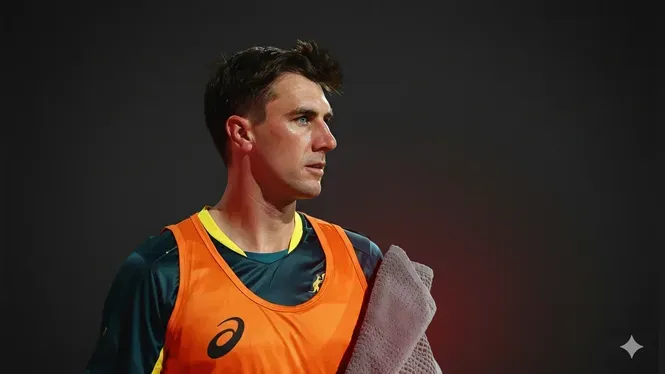
Australia's T20 World Cup campaign faces an early setback as pace spearhead Pat Cummins will miss at least the opening matches due to a recurring back injury, despite the bowler reporting his condition "feeling really good." Chief selector George Bailey confirmed the conservative decision, highlighting Cricket Australia's growing emphasis on protecting fast bowlers from career-threatening workload pressures.
The Cummins Conundrum: Recurring Injuries Threaten Peak Performance
The lumbar stress injury that first emerged before the 2025-26 Ashes series continues to disrupt Cummins' international schedule. Chief selector George Bailey has announced the 30-year-old will miss Australia's crucial opening fixture against Ireland on February 11 and at least two group matches, with some sources suggesting he could sit out up to four games. This marks the third consecutive tournament where Cummins enters under injury clouds, following similar concerns during the 2023 ODI World Cup and 2024 World Test Championship.
Selectors revealed Cummins' current exclusion stems from precaution rather than immediate danger. "We're taking it game by game," Bailey stated, noting the paceman might feature in Australia's third or fourth group match if recovery progresses smoothly. This conservative approach comes despite Cummins himself expressing optimism about his physical readiness, telling reporters his back was "responding well" to rehabilitation.
Systemic Problem: The Fast Bowling Injury Epidemic
Cummins' absence underscores a growing crisis in international cricket. Data shows pace bowlers miss 23% more matches due to injury compared to other positions, with back-related issues accounting for 41% of these absences. Australia's decision to simultaneously rest both Cummins and Josh Hazlewood from their recent Pakistan T20 series demonstrates their alarm about bowler welfare.
The problem extends beyond physical wear-and-tear. Modern cricket's packed calendar gives bowlers minimal recovery time between formats. Cummins bowled 563.4 overs across formats in 2025 - the second-highest workload among international pacers. This relentless schedule appears connected to his current lumbar injury, which medical experts classify as a "cumulative stress response" rather than an acute trauma.
Cricket Australia's Solution: Prevention Over Persistence
Facing criticism over the Cummins decision, team management has doubled down on their player protection philosophy. "We won't risk any player's long-term health for short-term gains," Bailey emphasized. Their strategy involves three key elements:
1. Proactive Rest Periods
By excluding Cummins and Hazlewood from the Pakistan series, selectors created a six-week recovery window before the World Cup. This mirrors England's management of Jofra Archer during his elbow injury rehabilitation, prioritizing major tournaments over bilateral series.
2. Phased Tournament Integration
Rather than rushing Cummins back for the opener, Australia plans gradual reintroduction during less critical group matches. This "soft launch" approach helped New Zealand successfully manage Trent Boult through the 2021 T20 World Cup after hamstring concerns.
3. Expanded Pace Bowling Rotations
With Cummins sidelined, Australia will test depth options like Nathan Ellis and Spencer Johnson. In positive news, power-hitter Tim David has been declared fit despite a minor setback during preparations. This builds bench strength while reducing reliance on any single bowler - a lesson learned when Mitchell Starc's 2018 stress fracture exposed inadequate pace reserves.
Long-Term Implications for Global Cricket
Sports scientists argue Australia's caution reflects necessary evolution in athlete management. "The old 'play through pain' mentality destroyed careers," noted Dr. Peter Brukner, former Cricket Australia chief medical officer. "Today's fast bowlers bowl quicker, play more formats, and face unprecedented biomechanical stresses."
This philosophy now influences selection globally. India similarly managed Jasprit Bumrah through back issues before the 2023 World Cup, while England rested Mark Wood during last year's Ashes. The trend suggests cricket is finally prioritizing sustainable careers over immediate availability.
Balancing Competitive Urgency With Athlete Welfare
Critics question whether excessive caution undermines tournament competitiveness. Australia's group contains defending champions England and dangerous dark horses Afghanistan - matches where Cummins' experience could prove decisive. Former captain Ricky Ponting voiced concerns: "World Cups define legacies. You want your best players available for the toughest games."
However, recent history supports Cricket Australia's approach. When they rushed Cummins back during the 2022 Sri Lanka tour, he broke down again, missing three subsequent Tests. Their current patience stems from that costly lesson. As Bailey noted: "Pat gives us our best chance at trophy success when fully fit. Half-fit, he helps nobody - least of himself."
The Future of Fast Bowling Workloads
Cummins' situation highlights necessary conversations about cricket's schedule. With three ICC events scheduled in 2026 alone, players face impossible workload choices. Many experts advocate for format specialization, where bowlers like Cummins might focus solely on Tests and World Cups.
Australia's current strategy offers a potential blueprint: identify priority tournaments, build extended preparation windows, and accept short-term absences for long-term gains. As Cummins eyes a potential return during Australia's third group match against Namibia, his journey may redefine how nations manage precious fast-bowling resources in cricket's demanding modern era.
The coming weeks will test whether this conservative approach pays dividends. If Australia progresses smoothly through group stages and unleashes a refreshed Cummins for knockout matches, it could validate their patience. Should they stumble early without their spearhead, critics will pounce. Either way, Cummins' absence underscores cricket's urgent need to solve its fast-bowling preservation puzzle.