Inside Shreyas Iyer's Comeback: The Grueling Recovery Regimen Behind His 73-Day Absence
The Captaincy Announcement
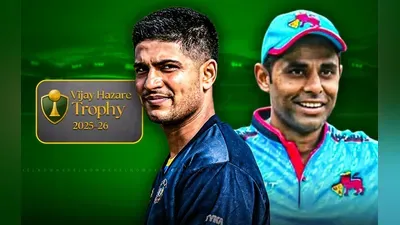
Cricket fans witnessed a significant development in domestic cricket as the Mumbai Cricket Association (MCA) made a crucial leadership change. On Monday, officials confirmed Shreyas Iyer would take charge as Mumbai's captain for the remaining Vijay Hazare Trophy 2025–26 league games. This decision came after regular skipper Shardul Thakur suffered a calf injury while bowling against Maharashtra.
The MCA officially stated: "The association is pleased to announce that Shreyas Iyer has been appointed as the captain of the Mumbai senior men's team for the remaining league matches of the Vijay Hazare Trophy."
The Injury Timeline
Iyer's return to competitive cricket marks the end of a challenging 73-day absence from the sport. The middle-order batsman had been sidelined with another injury setback, his latest in a series of physical challenges that have tested his career trajectory. While specific details about this particular injury remain undisclosed, the extended recovery period indicates its significant nature.
Rehabilitation Challenges
During his rehabilitation period, Iyer faced the dual challenge of physical recovery and maintaining competitive sharpness. Athletes recovering from recurring injuries typically undergo specialized training protocols that combine strength conditioning, mobility work, and sport-specific drills. The 73-day recovery window suggests a carefully managed return-to-play program designed to prevent re-injury while rebuilding match fitness.
Leadership Opportunity Emerges
The captaincy opportunity arose unexpectedly when Thakur's injury during the Maharashtra match created a leadership vacuum. The MCA moved decisively, appointing Iyer to lead Mumbai's campaign through their remaining league fixtures. This appointment serves dual purposes - filling an immediate need while giving Iyer a platform to demonstrate his recovered form and leadership capabilities.
Comeback Match Context
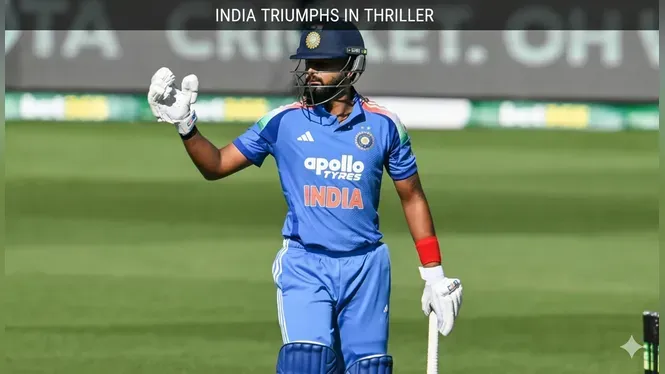
Iyer's first assignment as returning captain came against Himachal Pradesh in Jaipur, where he silenced doubters with a blistering 82 off just 53 deliveries. His explosive innings featured 10 fours and three sixes at a strike rate of 154, missing a century by just 18 runs. The leadership debut featured an interesting dynamic with T20I captain Suryakumar Yadav also in the playing XI, while other star batters like Yashasvi Jaiswal and Shubman Gill failed to make significant contributions.
The Psychological Journey
Athletes facing recurring injuries often employ psychological resilience techniques during recovery. While specific details of Iyer's mental conditioning regimen aren't public, sports psychologists emphasize visualization techniques, process-oriented goal setting, and mindfulness practices as common tools for maintaining competitive edge during rehabilitation. The mental fortitude required to return as captain adds another layer to Iyer's comeback narrative.
Team Dynamics and Expectations
Taking leadership of a star-studded Mumbai lineup brings immediate expectations. The team features established international players alongside promising domestic talents, requiring nuanced man-management skills. Iyer's previous captaincy experience with Kolkata Knight Riders in the IPL provides a foundation, but leading his home team in competitive 50-over cricket presents unique challenges during his return phase.
Broader Career Implications
This captaincy role carries significance beyond the Vijay Hazare Trophy. With intense competition for middle-order spots in the Indian national team, Iyer's performance as returning captain could influence selectors' perceptions of his durability and leadership potential. His 82-run knock comes at a crucial time, with his selection for the upcoming New Zealand ODI series already confirmed pending full match fitness clearance.
Injury Management Lessons
Iyer's latest comeback offers valuable insights for athletes managing recurring injuries. His approach appears to prioritize comprehensive recovery over rushed returns, evidenced by the nearly 11-week rehabilitation period. Sports medicine specialists often emphasize that proper recovery timelines, when respected, can extend careers despite initial setbacks.
The Road Ahead
As Mumbai enters the critical phase of their Vijay Hazare Trophy campaign, all eyes remain on their new captain. Iyer's batting form, leadership decisions, and physical responsiveness will undergo intense scrutiny. Each match represents an opportunity to build on his successful comeback innings and prove his resurgence isn't temporary.
Historical Context of Comebacks
Iyer joins a lineage of Indian cricketers who've battled injuries to reclaim their positions. His situation mirrors challenges faced by contemporaries like Rishabh Pant, emphasizing how modern cricket demands both exceptional skill and extraordinary physical resilience. The 73-day recovery period stands as testament to the increasing medical sophistication in sports rehabilitation.
Fan and Analyst Expectations
Cricket analysts were particularly impressed by Iyer's performance against spin bowling and his confident running between wickets - aspects that demonstrated his trust in his recovered physical condition. His 53-ball 82 against Himachal Pradesh answered many questions about his readiness for international recall, with experts noting his seamless transition back into competitive cricket.
Conclusion: A Crucial Chapter Begins
Shreyas Iyer's return as Mumbai captain in the Vijay Hazare Trophy represents more than a personnel change - it's the culmination of a carefully managed recovery process validated by immediate on-field success. His commanding 82-run innings against Himachal Pradesh suggests the 73 days of rehabilitation have forged a stronger, more resilient version of one of India's most talented batsmen, potentially springboarding him back into national contention.