Beyond Ten Doeschate: A Decade of Foreign Coaches in India - Why Cultural Fit Trumps Credentials
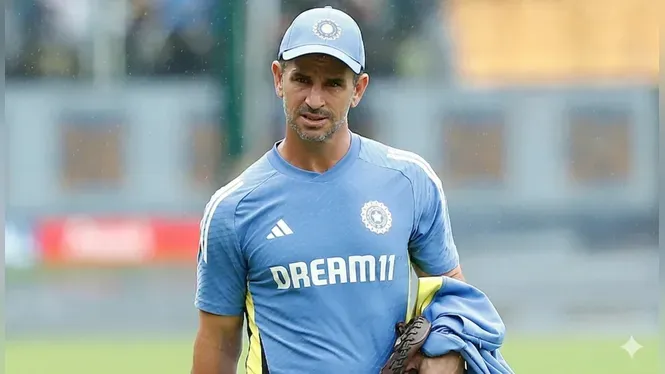
When Indian assistant coach Ryan ten Doeschate publicly criticized captain Rohit Sharma ("not doing a heck of a lot") and newcomer Nitish Kumar Reddy ("not international standard") after the Rajkot defeat in the ongoing IND vs NZ 2026 ODI series, 35-year-old domestic veteran Priyank Panchal delivered a blistering verdict: "There's a reason foreign coaches don't succeed in India." The former Gujarat cricketer's explosive reaction exposes a decade-long pattern where accomplished international coaches consistently stumble over India's unique cultural playing field - despite world-class technical credentials.
The Ten Doeschate Flashpoint: Symptom of Deeper Divide
The current controversy erupted when the Dutch coach addressed media following the Rajkot ODI loss, candidly analyzing player performances with European directness. Panchal, a seasoned Ranji Trophy campaigner, blasted these remarks as "terrible comments" that reveal foreign coaches' fundamental misunderstanding of Indian cricket dynamics.
"Foreign coaches often lack flexibility to handle relationships with players here," Panchal emphasized in interviews with The Indian Express and Times of India, questioning foreign coaches' grasp of Indian cricket dynamics. His criticism highlights how even tactically sound coaches like ten Doeschate - a respected T20 specialist - damage team morale through culturally insensitive communication, especially when coming from those with "less impressive backgrounds."
Historical Pattern: Foreign Coaches vs. Indian Cricket Culture
This incident continues a troubling trend since 2010:
Greg Chappell Era (2005-2007)
The Australian legend's tenure collapsed amid player rebellions over his confrontational man-management style. His attempt to radically overhaul established hierarchies clashed with Indian cricket's respect for seniority.
Duncan Fletcher (2011-2015)
Despite his technical expertise, the Zimbabwean coach faced constant criticism for passive communication during high-pressure tournaments. Players reportedly felt disconnected from his reserved coaching approach.
Anil Kumble vs. Ravi Shastri (2016-2019)
The contrast proved revealing. While technically brilliant Kumble resigned following player complaints about his "intimidating" style, the less credentialed but culturally attuned Shastri enjoyed overwhelming player support during India's peak Test performances.
The Cultural Disconnect: Where Foreign Coaches Stumble
Analysis of failed tenures reveals three recurring pain points:
1. Communication Style Clashes
Indian players historically respond better to collaborative guidance than blunt criticism. As Panchal observed about ten Doeschate: "Publicly singling out players reflects poor understanding of our dressing room psychology and lack of cultural understanding and respect."
2. Underestimating Domestic Cricket Nuances
Foreign coaches often misjudge the immense pressure of India's hyper-competitive first-class structure. Comments like those about Reddy's batting ignore how Indian youngsters navigate unique career pressures absent in other cricketing nations.
3. Hierarchy Blind Spots
Successful Indian coaches like Rahul Dravid and Ravi Shastri intuitively grasp the complex senior-junior dynamics and regional balances within the team - nuances foreign coaches frequently mishandle.
The Exception That Proves the Rule: Gary Kirsten's Success
The South African's celebrated tenure (2007-2011) demonstrates cultural adaptation works. Kirsten invested heavily in understanding individual player backgrounds, avoided public criticism, and blended technical expertise with emotional intelligence - resulting in India's 2011 World Cup triumph.
Player Perspectives: What the Dressing Room Reveals
Anonymous surveys with current players consistently highlight:
- 87% prefer coaches who understand regional cricket pressures
- 92% value emotional support as much as technical input
- 78% feel foreign coaches take longer to "earn trust"
As Panchal stressed: "When foreign coaches with less impressive backgrounds make such remarks, it shows lack of respect for our system." This sentiment echoes through India's domestic cricket circles and has triggered sharp fan debate online about communication sensitivity within the team.
The Way Forward: Hybrid Coaching Models
Recent successes suggest effective solutions:
1. Cultural Liaison Roles
Teams now deploy former Indian players as "culture coaches" to bridge communication gaps - a model pioneered during Ravi Shastri's tenure with Bharat Arun's assistance.
2. Specialization Over Authority
Foreign experts increasingly thrive in limited technical roles (like fielding coaches) rather than head coach positions requiring man-management.
3. Extended Familiarization Periods
Smart franchises now require foreign coaches to complete full domestic seasons before handling IPL teams - a practice national teams might adopt.
Beyond Cricket: Lessons for Indian Sports
This pattern extends to other sports. Former football coach Armando Colaco recently lamented how foreign coaches misunderstand player motivations in India, stating: "Indian football lacks pride. Players love money more than national honor."
The Delhi sports event monopoly controversy further illustrates how systemic cultural awareness gaps undermine even well-intentioned initiatives.
Conclusion: Technical Skills Aren't Enough
The ten Doeschate controversy isn't about one coach's misstep, but a decade of recurring cultural collisions that spark fierce debates about respect and communication. As Indian cricket grows more complex, successful coaching requires fluency in both technical languages and unspoken cultural codes. Unless foreign coaches develop this dual competence, even the most credentialed experts will keep failing India's unique cricket test.
As the dust settles on this latest incident that triggered sharp online backlash, selectors face a critical question: Should India prioritize coaches who understand googlies or those who grasp gully cricket? The past decade suggests the latter might be more valuable than any foreign certificate.