Behind the Ultimatum: How India-Bangladesh Cricket Tensions Shaped ICC's T20 World Cup Decision
The Ultimatum That Shook World Cricket
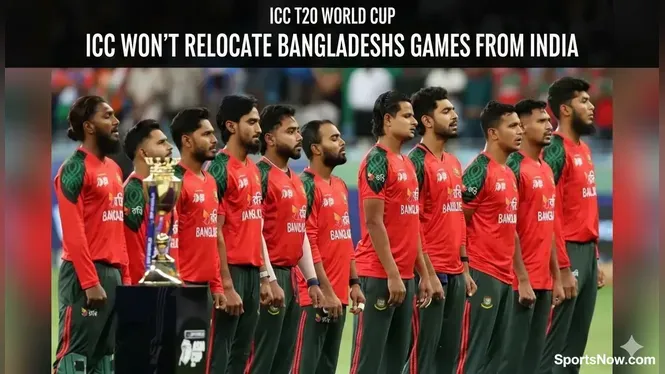
The International Cricket Council (ICC) has drawn a hard line in the sand, rejecting Bangladesh's plea to relocate their 2026 T20 World Cup matches away from India. In a dramatic Wednesday decision, cricket's governing body gave Bangladesh just 24 hours to confirm their participation or face replacement by Scotland. This high-stakes confrontation exposes deep-rooted tensions between Indian and Bangladeshi cricket authorities that nearly derailed a global tournament co-hosted by Sri Lanka and India.
A Vote That Changed Everything
Behind closed doors, ICC members delivered a crushing blow to Bangladesh's hopes. According to voting records, every member board except Bangladesh and Pakistan supported maintaining original tournament plans. This near-unanimous decision forced Bangladesh Cricket Board (BCB) officials into emergency meetings as they weighed national pride against World Cup exclusion.
The Political Backstory
This confrontation didn't emerge overnight. Cricket relations between India and Bangladesh have simmered for years, with multiple flashpoints creating tournament tensions:
• Player selection disputes involving IPL franchises
• Scheduling conflicts during bilateral series
• Venue security disagreements during previous tournaments
• Financial disagreements over broadcasting rights
The current crisis reportedly stems from unresolved issues surrounding an unnamed IPL player, though neither board has confirmed details. What began as bureaucratic friction now threatens Bangladesh's participation in cricket's showpiece event.
ICC's Tournament Governance Test
Cricket's world body faced its toughest leadership challenge in years. Tournament director Chris Tetley issued the blunt ultimatum after emergency meetings: "Confirm travel to India within 24 hours or forfeit your position to Scotland." This hardline approach surprised many observers but reflects ICC's commitment to maintaining tournament integrity amid political pressures.
The decision carries significant financial implications. India's massive cricket market drives tournament revenues, giving host nations substantial leverage. ICC calculations suggest moving Bangladesh matches could cost millions in lost sponsorship and broadcast deals - risks the council refused to take.
Bangladesh's Impossible Choice
Faced with ICC's deadline, Bangladesh officials confronted painful options:
1. Swallow pride and play in India despite objections
2. Withdraw and let Scotland make their World Cup debut
3. Launch legal challenges risking long-term ICC relations
With national heroes like Shakib Al Hasan awaiting direction, the BCB's decision carries generational consequences. A withdrawal would deny Bangladesh's emerging talent crucial global exposure, while participation under protest could demoralize players.
The Global Cricket Impact
This standoff reveals how bilateral disputes can destabilize international cricket:
• Smaller nations fear being overshadowed in scheduling decisions
• Host countries gain disproportionate influence over tournaments
• Player welfare becomes secondary to political considerations
• Associate members like Scotland remain at mercy of full members' disputes
The ICC's firm stance establishes a precedent for future tournaments. Member boards now understand venue decisions won't bend to individual demands, regardless of political tensions between nations.
What Comes Next?
As Bangladesh's deadline passes, attention turns to practical arrangements for the February 7 tournament start:
• Security protocols for Bangladesh squad in India
• Potential fan boycotts affecting stadium atmospheres
• Broadcast negotiations for rescheduled matches
• Contingency planning should relations further deteriorate
• Logistical coordination between co-hosts India and Sri Lanka
Cricket administrators worldwide watch closely. The ICC's handling of this crisis may redefine how global tournaments navigate political minefields in increasingly polarized times.
The Bigger Picture
Beyond immediate tournament logistics, this confrontation raises fundamental questions:
• Should cricket's governing body mediate bilateral disputes?
• How can smaller nations protect their interests in unequal partnerships?
• What mechanisms prevent political tensions from spilling into tournaments?
• Does the current system adequately represent all cricketing nations?
As the 2026 T20 World Cup approaches, these unresolved issues hang over the tournament. The ICC has won this battle of wills, but the war for cricket's soul continues. How the sport navigates these complex political currents will determine its future as a truly global game.
A Turning Point for Cricket Diplomacy
The ICC's venue decision marks a watershed moment in cricket governance. By prioritizing tournament continuity over bilateral diplomacy, the council has shown its willingness to make tough calls. This approach risks alienating certain members but preserves the integrity of global competitions.
For Bangladesh, the path forward remains fraught. Whether they compete under protest or watch from home, this episode will shape their cricketing relations for years. For India, the victory reinforces their position as cricket's financial powerhouse. And for Scotland, the drama offers unexpected hope of World Cup glory.
As stadiums prepare and players train, one truth emerges clearly: in modern cricket, politics and sport remain inextricably linked. The T20 World Cup will proceed as planned, but the tensions exposed this week won't disappear with the tournament's final wicket.