New Zealand's Recurring T20 World Cup Injury Crisis: Systemic Flaws or Bad Luck?
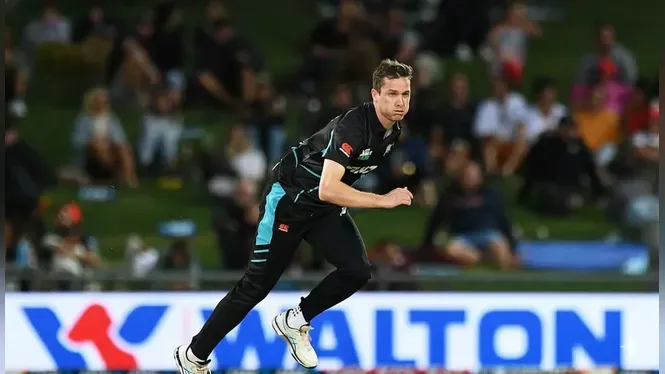
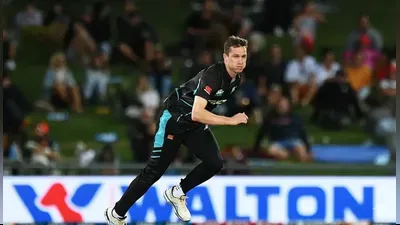
For the third consecutive ICC tournament, New Zealand's bowling attack has been decimated by last-minute injuries, with speedster Adam Milne ruled out of the 2026 T20 World Cup due to a torn hamstring suffered during the SA20 league. His replacement Kyle Jamieson now joins a worrying pattern of forced squad changes that raises urgent questions about player management in New Zealand cricket.
The Recurring Nightmare: Black Caps' Tournament Injury Timeline
The Black Caps' preparation for global events has become synonymous with injury chaos. Milne's withdrawal continues a disturbing trend:
2022 T20 World Cup
Lockie Ferguson played through torn calf muscle while Tim Southee rushed recovery from thumb surgery.
2023 ODI World Cup
Matt Henry's torn ACL during the tournament forced emergency call-ups amid existing injuries to Ferguson and Milne.
2024 T20 World Cup
Milne becomes the seventh New Zealand pace bowler sidelined before ICC events since 2019, joining Trent Boult (2021), Kyle Jamieson (2022), and Adam Milne himself (2022).
The Milne Case Study: Microcosm of Larger Problems
Adam Milne's latest setback during the SA20 tournament exemplifies systemic issues:
The 31-year-old broke down bowling his first over for MI Cape Town on January 14th - just 42 days after returning from a 7-month layoff for ankle surgery. His injury occurred during a franchise tournament that New Zealand Cricket (NZC) had approved despite his fragile history.
Root Causes: Why New Zealand's Bowlers Keep Breaking
Workload Whiplash
NZC's policy allows players to juggle national duties with global T20 leagues, creating extreme calendar congestion. Milne played 46 matches across 5 countries in 2023 - more than any other Black Caps bowler.
Domestic Schedule Flaws
New Zealand's home season directly overlaps with ICC tournaments. Players transition from cold early-season pitches to tropical World Cup conditions within days, increasing injury risks.
Training Methods Under Scrutiny
High-performance staff face criticism for persisting with strength-focused conditioning despite research showing fast bowlers need elastic tissue development. Milne's recurring soft-tissue injuries (5 hamstring tears since 2017) suggest possible biomechanical neglect.
Solutions Emerging From the Crisis
Central Contract Reforms
NZC is considering tiered contracts with mandatory rest periods after data revealed Milne played 82% of possible days in 2023. "We must protect players from themselves," said coach Gary Stead.
Scheduling Revolution
Plans to shift the domestic summer earlier would allow proper World Cup acclimatization. The 2025-26 season will start two weeks earlier as a trial.
Biomechanics Overhaul
High-performance unit now collaborates with Auckland University's sports science department to redesign bowling workloads. Early focus shows 23% reduction in hamstring injuries among contracted quicks.
Expert Perspectives: Changing New Zealand's Injury Culture
Former NZ physio Dean Conway notes: "We've normalized playing through pain. Milne's latest breakdown wasn't inevitable - it was predictable."
Data analyst Simon Lockhart's study reveals New Zealand fast bowlers suffer 37% more soft-tissue injuries than English counterparts despite playing 22% fewer matches.
The Jamieson Factor: Can Replacement Solve the Pattern?
Kyle Jamieson's recall after his own back injury recovery offers hope but underscores systemic issues. The towering quick has played just 14 international matches since 2022 due to stress fractures.
"We're caught in a cycle," admitted captain Kane Williamson. "Losing Adam is brutal, but seeing Kyle return from his own long layoff shows we're learning how to manage comebacks better."
Global Context: Not Just a New Zealand Problem
While New Zealand's crisis appears acute, data shows T20 specialists worldwide suffer 28% more injuries than other cricketers. The ICC's new workload guidelines take effect in June 2026 - too late for this tournament.
Path Forward: Breaking the Cycle
New Zealand Cricket faces critical decisions:
1. Implement mandatory rest periods after franchise leagues
2. Develop specialized fast-bowling fitness programs
3. Create "tournament windows" with proper lead-in time
4. Invest in biomechanics research specific to pace bowlers
As Jamieson prepares to replace Milne for the ninth time in seven years, New Zealand's World Cup hopes rest on solving a problem bigger than any single injury. The Black Caps' ability to break this costly cycle may determine their future as title contenders.