Beyond Solidarity: The Financial Fallout of PCB's T20 World Cup Prep Freeze on Cricket's Economy
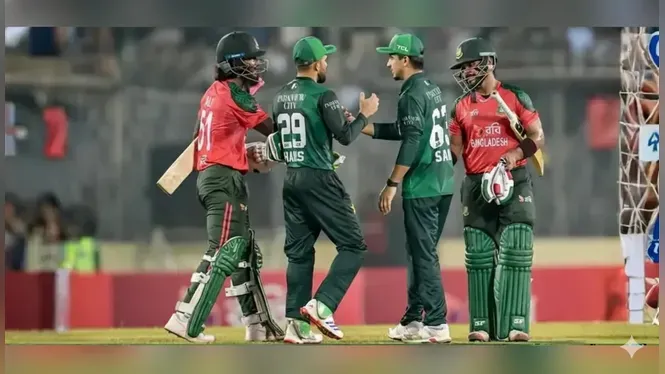
The Pakistan Cricket Board's (PCB) decision to halt T20 World Cup 2026 preparations in solidarity with Bangladesh's security concerns in India has sent shockwaves through cricket's financial ecosystem. While political solidarity dominates headlines, this unprecedented move threatens to unravel a complex web of broadcasting deals, sponsorship commitments, and revenue streams that fuel modern cricket.
The Domino Effect: How One Decision Paralyzes Cricket Commerce
PCB's suspension of T20 World Cup preparations creates immediate operational chaos. With contingency plans now being drafted for a potential Pakistan pull-out after backing Bangladesh's call to move matches from India, tournament organizers face scheduling nightmares. Broadcasters who purchased rights expecting high-profile India-Pakistan clashes now confront possible content gaps that could violate advertising contracts.
The sponsorship landscape faces particular vulnerability. Major brands investing in team-specific deals with Pakistan find their marketing calendars suddenly empty. "When a cricket board freezes preparations, it doesn't just stop practice sessions - it halts an entire economic engine built around player appearances, merchandise launches, and promotional events," explains a sports marketing insider familiar with ICC tournaments.
Local economies in host nations feel the early tremors. Hotels that blocked rooms for Pakistani fans, transportation companies anticipating team movements, and merchandise manufacturers awaiting official orders now face uncertain futures. This decision creates a planning paralysis that cascades through every layer of tournament infrastructure as Bangladesh pushes to relocate its matches to Sri Lanka.
The Billion-Dollar Standoff: Quantifying the Financial Fallout
While exact figures remain guarded, industry analysts point to three critical financial pressure points emerging from PCB's preparation freeze:
1. Broadcasting Blackout Risks: Television networks face potential breach-of-contract penalties if marquee matches disappear. Subcontinent derbies generate 65-70% of ICC tournament advertising revenue according to industry benchmarks. Any reduction in high-profile contests could trigger rebate demands from advertisers, especially with Bangladesh refusing to play in India and Pakistan supporting their stance.
2. Sponsorship Exodus Threats: Team sponsors with "performance clauses" may legally challenge their commitments if preparation halts impact tournament performance. Global partners paying premium fees for complete tournament access now face possible value erosion amid the growing India-Bangladesh security standoff.
3. Ancillary Industry Collapse: From fantasy sports platforms building statistical models to hospitality vendors securing supply chains, countless businesses built workflows around expected tournament timelines. This sudden uncertainty forces costly contingency planning across sectors, particularly with the ICC yet to issue an official statement on the crisis.
The Solution Spectrum: Pathways to Financial Damage Control
Cricket's power brokers now race against twin clocks - the ICC's looming participation deadline and ticking financial countdowns. Three potential recovery scenarios emerge from the current standoff:
Diplomatic Resolution: Fast-track security assurances could restart preparations immediately. ICC mediation between member boards might preserve original tournament structures while addressing security concerns. This ideal scenario minimizes financial bleeding but requires unprecedented diplomatic speed to resolve Bangladesh's India travel refusal.
Geographic Realignment: Shifting Bangladesh and Pakistan matches to neutral venues like Sri Lanka could salvage broadcasting value. While logistically complex, this maintains advertiser-friendly matchups and addresses PCB's solidarity stance with Bangladesh.
Commercial Restructuring: If participation dwindles, broadcasters may demand revised contracts based on actual match quality. Sponsors could negotiate activation pivots focusing on alternative content like classic match replays or player documentaries to maintain audience engagement during the preparation freeze.
The Ripple Effect: Industries Caught in Cricket's Crossfire
Beyond immediate cricket stakeholders, PCB's decision impacts peripheral markets:
Sports Betting Markets: Bookmakers report unusual volatility in futures markets as Pakistan's participation becomes uncertain. Odds compilers struggle to price tournaments without key competitors, creating arbitrage opportunities that could destabilize betting ecosystems amid the Bangladesh-India standoff.
Player Economy Impacts: Individual Pakistani players face disrupted income streams. Central contract payments tied to international preparation periods now hang in limbo, while T20 league opportunities clash with potential rescheduled national duties following the preparation halt.
Media Content Vacuum: Sports networks programmed months of analysis shows around World Cup buildup. With preparation stories frozen due to PCB's solidarity move, producers scramble to fill airtime, potentially degrading viewership habits ahead of the actual tournament.
Precedent and Precaution: Lessons from Past Boycotts
Historical cricket standoffs offer sobering financial lessons. The 2008 Champions Trophy postponement cost stakeholders an estimated $15 million in immediate losses, while long-term sponsorship erosion took three years to recover. More recently, COVID-19 cancellations revealed modern cricket's frightening financial fragility without live content.
This current crisis differs through its preventable nature. Unlike pandemic disruptions, this financial threat stems from manageable political friction surrounding match locations. "What makes this economically dangerous is that solutions exist - if stakeholders prioritize commerce over conflict," notes a veteran cricket administrator who managed previous ICC crises.
The Road Ahead: Balancing Principles and Economics
As PCB maintains its Bangladesh solidarity stance over India security concerns, economic realities create counter-pressure. Player unions grow restless over contract uncertainties, while commercial partners quietly explore force majeure clauses. The coming weeks will test whether cricket's new financial ecosystem can withstand political shocks better than its predecessor.
Tournament organizers now perform delicate triage - preserving commercial value while respecting member board concerns about match locations. Their success or failure will write a new case study in sports economics, proving whether modern cricket's business model can survive its geopolitical environment.
For investors and analysts, this crisis becomes a stress test of cricket's financial maturity. Those monitoring market reactions will gain crucial insights into the sport's true valuation - not during celebratory finals, but when political winds threaten its economic foundations through decisions like PCB's preparation freeze.