How New Zealand's Injury Crisis Reshapes Tactics Against India's Power Hitters

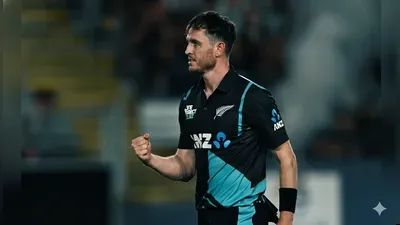
The Black Caps enter their T20I series against India facing a tactical nightmare as injuries to key bowlers threaten their ability to contain cricket's most explosive batting lineup. With fast bowler Adam Milne and all-rounder Michael Bracewell sidelined, New Zealand's death bowling plans face severe disruption ahead of the five-match series starting January 21.
Bowling Void Creates Tactical Headache
New Zealand's preparation has suffered a double blow with Milne's pace and Bracewell's versatile spin removed from their bowling arsenal. The absence of these experienced campaigners leaves a significant gap in the Black Caps' attack during the crucial death overs - precisely when India's power hitters dominate most aggressively.
Team medical staff continue monitoring Bracewell's recovery, but his potential unavailability compounds selection headaches. This comes at the worst possible time against an Indian batting unit known for accelerating dramatically in the final five overs of T20 innings.
India's Batting Firepower Exposes Vulnerability
The timing of these injuries could hardly be worse given India's reputation for fielding lineups packed with destructive finishers. New Zealand's reshuffled bowling attack now faces the daunting task of containing batters capable of scoring 12+ runs per over during the death phase without their established specialists.
This matchup imbalance creates three critical challenges for the Black Caps:
- Reduced experience in high-pressure situations
- Limited variations during the critical 16th-20th overs
- Forced reliance on less proven bowling combinations
Tactical Adjustments and New Faces
Selectors have responded by handing Josh Clarke a maiden T20 call-up following his impressive ODI debut. Clarke's inclusion suggests New Zealand may adopt a horses-for-courses approach, potentially using his recent form as a wildcard option against India's aggressive middle order.
This injury crisis forces several strategic adjustments:
- Death Bowling Reload: New Zealand must identify new go-to bowlers for the final overs, possibly splitting responsibilities between multiple bowlers rather than relying on specialists
- Powerplay Compensation: Increased emphasis on taking early wickets to reduce pressure during death overs
- Field Placement Overhaul: More aggressive settings to create catching opportunities rather than purely defensive setups
The Clarke Factor and Bowling Combinations
Clarke's surprise inclusion adds an intriguing tactical element. His ODI performances suggest New Zealand might deploy him as a partnership-breaking option during India's batting surge periods. This would represent a significant shift from their traditional death bowling approach centered around pace and yorkers.
Possible bowling combinations New Zealand might explore include:
- Using Clarke as a floating bowler during opposition momentum shifts
- Creating split-phase responsibilities between pace and spin options
- Employing more unpredictable bowling changes to disrupt batters' rhythm
Series Implications and World Cup Shadows
While this series serves as preparation for the 2026 T20 World Cup, New Zealand's injury concerns create immediate competitive disadvantages. Their ability to develop effective workarounds during these five matches could define their tactical identity heading into the global tournament.
The timing creates a peculiar challenge - balancing short-term results against long-term development. Each match becomes a laboratory for testing new bowling combinations and death-over strategies under fire against world-class opposition.
India's Opportunity to Exploit Weakness
India's power hitters will likely target New Zealand's reconfigured bowling attack, particularly during these vulnerable phases:
- Overs 7-15 when spinners traditionally operate
- The critical death overs (16-20) where execution matters most
- During bowling changes when new bowlers enter the attack
This creates key moments where India could seize control of matches if New Zealand's replacements fail to handle the pressure.
The Path Forward for Black Caps
New Zealand's success in this series now depends on executing three key adjustments:
- Developing new death-bowling partnerships quickly
- Maximizing powerplay effectiveness to reduce late-innings pressure
- Successfully integrating Clarke as a tactical surprise weapon
How the Black Caps address these injury-forced changes will provide fascinating insights into their tactical flexibility and depth. The series opener on January 21 offers the first test of whether these adjustments can withstand the onslaught from India's batting maestros.
One certainty emerges from this injury crisis: New Zealand's approach to containing power hitters must evolve rapidly. Their traditional formulas face their sternest examination yet against an Indian lineup perfectly equipped to exploit any bowling vulnerability. The tactical innovations born from this adversity could ultimately redefine New Zealand's T20 strategy moving forward.