Geopolitical Tensions and Travel Logistics: The Hidden Factors Delaying Key T20 World Cup 2026 Squad Announcements
The Hidden Crisis Behind Squad Deadlines
Most teams have submitted their T20 World Cup 2026 squads ahead of the May 1 deadline, though Pakistan, New Zealand and West Indies remain notable exceptions. Australia confirmed their spin-heavy squad on Thursday - opting against selecting a left-arm paceman following Mitchell Starc's T20 retirement - with surprise inclusion Cooper Connolly who hasn't played in Australia's past 12 T20Is. Pat Cummins, Josh Hazlewood and Tim David were included despite ongoing injury concerns. Bangladesh announced their 15-member roster despite ongoing uncertainties while Nepal and Oman unveiled their squads alongside recent confirmations from other nations.
Venue Uncertainty Paralyzes Planning
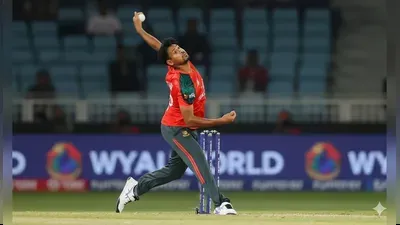
The Bangladesh Cricket Board (BCB) took the extraordinary step of announcing their formidable squad on Sunday - to be led by Litton Das - for the global tournament scheduled from February 7 to March 8, despite not knowing where their matches will be played. This unusual move came after BCB officials formally requested schedule changes through the International Cricket Council (ICC), firmly refusing to play its matches in India due to security concerns despite ICC's assurances.
"We've named our team, but we don't know if we'll need different players for different conditions," revealed a BCB insider. The board's letter to ICC triggered emergency meetings to redraw the tournament schedule, throwing other teams' preparations into disarray.
Pending Squad Announcements
Pakistan and West Indies continue finalizing their squads as the deadline approaches. New Zealand named their spin-heavy squad for the tournament in India and Sri Lanka on Wednesday with Mitchell Santner confirmed as captain, featuring contenders Jimmy Neesham, Mark Chapman, Kyle Jamieson and Michael Bracewell. Pacer Jacob Duffy earned selection after capturing 81 international wickets in 2025, while Adam Milne secured a spot despite injury concerns and Lockie Ferguson remains under fitness cloud with a third of the squad carrying health uncertainties.
Caribbean teams navigate player availability issues across global T20 leagues to finalize selections, while Pakistan's delayed announcement stems from complex visa negotiations between three governments (Pakistan, India, Sri Lanka) regarding player visas and security protocols.
The Domino Effect on Team Compositions
Australia's early squad announcement provides a contrast to the Asian teams' struggles. Their spin-heavy selection featuring Connolly shows how settled hosts enjoy planning advantages. Defending champions England face similar challenges to Bangladesh, having played minimal cricket in Sri Lanka since 2018 due to political unrest.
Emerging Teams Confirm Rosters
Nepal have unveiled a well-rounded 15-member men's squad for the ICC Men's T20 World Cup 2026 aiming to make a strong impression on the global stage, while Oman announced top-order batter Jatinder Singh will lead their 15-man unit with Vinayak Shukla as vice-captain in a formidable lineup.
South Africa's surprise inclusion of Jason Smith - selected for his marked improvement in power-hitting despite only five international caps - demonstrates how last-minute changes become necessary when travel plans remain unclear. The Proteas will be led by Aiden Markram with Kagiso Rabada also named in the squad. Teams can't finalize specialist players (spinners vs pace bowlers) without knowing match venues - a problem exacerbated by the ICC's delayed schedule.
ICC Scrambles for Solutions
Cricket's governing body now races against time to implement three critical solutions after initiating schedule revisions based on Bangladesh's formal request:
1. Revised Tournament Schedule
ICC officials confirm they're creating backup venue allocations to accommodate political sensitivities. This may involve shifting Bangladesh's matches exclusively to Sri Lanka, requiring last-minute visa processing and altered travel plans.
2. Extended Squad Flexibility
Teams will likely receive special provisions to make late changes based on final venue allocations. This mirrors COVID-era regulations that allowed expanded squads and replacement players.
3. Diplomatic Mediation
High-level discussions between cricket boards and foreign ministries aim to ease travel restrictions. Pakistan's case proved particularly complex, requiring coordination between three governments (Pakistan, India, Sri Lanka) for player visas and security protocols.
Impact on Players and Performance
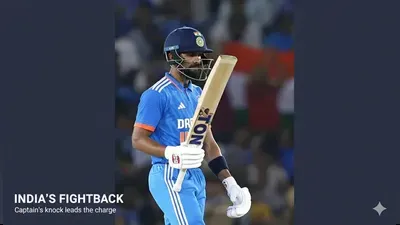
The uncertainty directly affects player preparation. Bangladesh captain Litton Das now leads a squad that might need radical changes if venues shift. As Ricky Ponting noted while analyzing India's squad while advising captain Suryakumar Yadav to rediscover his rhythm, "Knowing conditions determines form." Teams lacking venue clarity can't design specialized training camps.
Medical staff face unique challenges too. "We don't know whether to prepare players for humid coastal conditions or drier inland pitches," shared a Pakistan team physio. Recovery protocols and injury prevention strategies depend heavily on environmental factors.
Broader Implications for Global Cricket
This crisis exposes how geopolitical tensions increasingly impact major tournaments. Since the ICC awarded hosting rights to India and Sri Lanka in 2023:
- India-Pakistan relations worsened following border skirmishes
- Bangladesh-India relations strained over trade disputes
- Sri Lanka's economic crisis created visa processing delays
Cricket administrators now face pressure to consider political stability when awarding future tournaments. The Professional Cricketers' Association issued a statement demanding "geopolitical risk assessments" before venue announcements.
The Road to Resolution
With most squads now confirmed approaching the deadline, stakeholders focus on logistical solutions:
For Bangladesh
The BCB continues negotiating with ICC for guaranteed Sri Lanka-based matches. If successful, they may revise their squad to include more spin options suited to Colombo's conditions under special provisions.
For Pakistan
Diplomatic backchannels secured limited-duration visas for players and staff. Contingency plans include basing the squad in UAE and flying directly to match venues as needed.
For Neutral Teams
New Zealand benefits from neutral status but still faces logistical headaches. "We've booked five different flight plans," revealed a New Zealand team coordinator. "The extra costs could impact our training budget."
What Comes Next?
The ICC has finalized key decisions from their emergency meeting including:
- Finalized venue allocations for politically sensitive matches
- Special visa provisions for affected teams
- Extended squad flexibility allowances for specific nations
Meanwhile, teams employ creative workarounds. Bangladesh plans dual training camps - one simulating Indian pitches, another preparing for Sri Lankan conditions. Pakistan considers sending advance scouts to both countries despite visa uncertainties.
A New Normal for Global Tournaments?
This unprecedented situation may reshape how cricket schedules mega-events. Former ICC CEO Dave Richardson observed, "We can't ignore that cricket exists in a political world." Future bidding processes might require:
- Geopolitical stability clauses in hosting agreements
- Mandatory government guarantees for participant visas
- Contingency venue partnerships with neutral nations
For now, players and fans alike hope for smooth tournament operations. As Bangladesh's Shakib Al Hasan told reporters, "We just want to focus on cricket. But first, we need to know where we're playing." The coming weeks will determine whether geopolitics or the spirit of cricket prevails in this high-stakes standoff.