Contract Clash Decoded: The Legal Precedents Set by Mustafizur's KKR Dismissal in Global T20 Leagues
Why was Mustafizur Rahman removed from Kolkata Knight Riders?
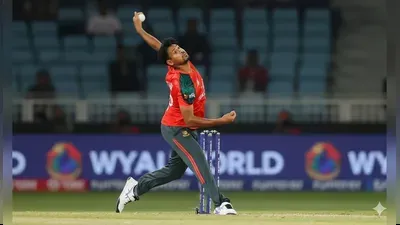
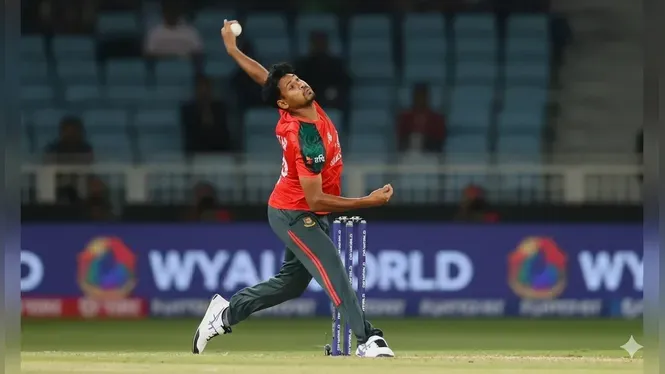
Bangladesh fast bowler Mustafizur Rahman saw his Rs 9.20 crore IPL 2026 contract abruptly terminated following a directive from India's cricket board (BCCI). The decision came amid heightened political tensions between India and Bangladesh, though no official reason was stated. Mustafizur wasn't representing Bangladesh during the IPL - he was playing for Kolkata franchise as a professional athlete.
How does this differ from previous cricket boycotts?
Unlike team-level decisions to boycott matches with Pakistan over political issues, this marks the first instance of an individual player being removed from a franchise league due to nationality-based considerations. As one analysis noted: "Singling him out simply because of his nationality shows a selective and convenient moral logic." Mustafizur Rahman was not representing Bangladesh; he was representing Kolkata.
What contractual protections exist for players in T20 leagues?
Most franchise agreements contain force majeure clauses covering unforeseen circumstances, but none specifically address geopolitical interventions. The IPL's player contracts are notably silent on political interference compared to Pakistan's PSL or Bangladesh's BPL which have faced similar challenges. This legal vacuum leaves players vulnerable when diplomatic tensions flare.
Are certain players more vulnerable than others?
Former BCB general secretary and ex-Asian Cricket Council CEO Syed Ashraful Haque raised this critical question: "Instead of Mustafizur, had it been Litton Das or Soumya Sarkar, would they have done the same thing?" This highlights concerns about selective application of political pressure based on player profiles and market value.
How are cricket's power dynamics changing?
The controversy exposes how franchise leagues now wield influence beyond cricketing outcomes. As one report observed: "Franchise leagues have transformed the sport and improved player livelihoods, but their influence now extends far beyond cricketing outcomes." The Mustafizur case also raises uncomfortable questions about accountability, establishing a dangerous precedent where boards can influence private franchise contracts for political reasons.
What does this mean for player professionalism?
Rangpur Riders coach Mickey Arthur defended Mustafizur's conduct: "There's never any problem managing him. He simply goes out every day and gives his best... What happened with KKR is truly disappointing." This professional reputation contrasts sharply with the political nature of his dismissal.
How does this affect Bangladesh-India cricket relations?
The fallout has escalated to World Cup-level discussions, with Bangladesh reportedly demanding match relocations. Bangladesh's Sports Adviser Asif Nazrul's "Slavery is over" comment reflects the diplomatic tensions spilling into cricket administration. The ICC now faces pressure to address how political disputes impact league contracts.
What legal precedents does this establish?
1. Nationality-based contract termination becomes permissible
2. Franchise autonomy can be overridden by home boards
3. Political considerations now officially impact private league contracts
4. Player rights take secondary position to diplomatic interests
How do other T20 leagues handle political interference?
• Pakistan Super League: Explicit clauses protecting players from India-Pakistan tensions
• Bangladesh Premier League: Government-backed insurance against political disruptions
• Caribbean Premier League: Neutral arbitration for contract disputes
The IPL 2026's lack of similar frameworks leaves players exposed when geopolitical conflicts arise.
What solutions exist moving forward?
Cricket analysts suggest three key reforms:
1. Standardized "political force majeure" clauses in all contracts
2. ICC arbitration for nationality-based contract disputes
3. Separation of national board authority from franchise operations
Without such measures, experts warn cricket risks becoming collateral damage in diplomatic conflicts.
Why does this matter beyond cricket?
The Mustafizur case represents a watershed moment for global sports:
• Establishes political interference in private contracts
• Creates unequal workplace protections based on nationality
• Sets precedent for other sports facing similar geopolitical pressures
As one official noted: "Off-field politics has shaken the cricketing world," with implications extending far beyond boundary ropes. This controversy has transformed from cricket's 'secular religion' to a full-blown political flashpoint.