Workload Wars: Inside Cricket Australia's Radical T20 World Cup Prep vs. Global Peers
Why are Australian stars skipping BBL for World Cup prep?
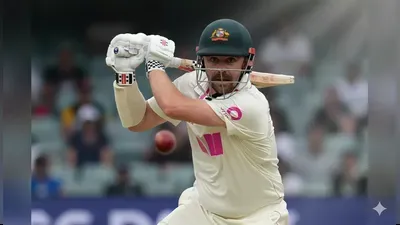
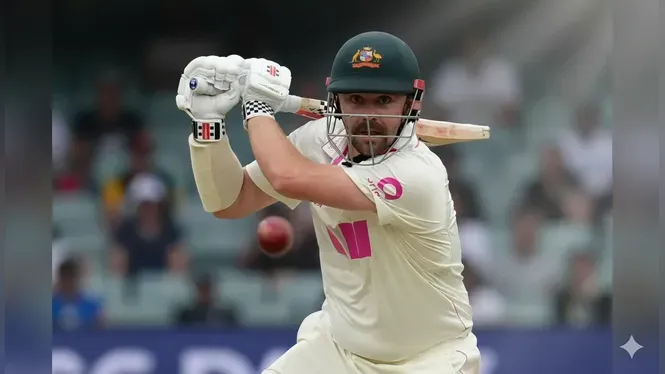
Cricket Australia has confirmed Travis Head and Cameron Green will miss their third consecutive Big Bash League season to focus on preparing for February's T20 World Cup in India and Sri Lanka. This comes after a grueling Ashes series where Australia secured a 4-1 victory. The decision prioritizes player recovery over domestic T20 commitments, with Pat Cummins and Josh Hazlewood also likely affected by this rest-first policy.
How does this differ from other cricket nations' approaches?
Australia's strategy stands in stark contrast to how other top cricketing nations balance domestic leagues and ICC events:
England: Typically allows limited-overs specialists to play full franchise seasons
India: Mandates IPL participation while managing workloads through rotation
New Zealand: Employs individualized player programs based on format specialization
Australia's "all-in" World Cup preparation marks the most aggressive prioritization of ICC events over domestic T20 competitions among major cricketing nations.
Which Australian stars are returning to BBL despite World Cup prep?
Mitchell Starc exemplifies the alternative approach, joining Sydney Sixers just one week after the Ashes triumph. Steve Smith is also set for BBL return, showing Cricket Australia isn't applying uniform rest protocols. Test captain Pat Cummins' participation remains uncertain as selectors weigh individual player needs against World Cup objectives.
Does skipping BBL actually improve World Cup performance?
Player agents anonymously reveal divided opinions on the strategy's effectiveness:
"The extended recovery period helps physically but risks match sharpness," noted one agent representing multiple Australian internationals. "Players like Head lose valuable T20 middle practice that BBL provides. But for fast bowlers like Cummins, the rest might prevent breakdowns during World Cup."
Historical data shows mixed results - Australia's 2021 T20 World Cup win came when most squad members played full BBL seasons, while their 2022 early exit followed similar rest protocols to current strategy.
How does this impact the Big Bash League's quality?
The absence of marquee Australians creates significant challenges for BBL:
• Reduced star power affects crowd numbers and TV ratings
• Franchises lose local drawcards during crucial finals push
• Young players get unexpected opportunities (e.g. Hobart Hurricanes vs Adelaide Strikers fixtures)
Cricket Australia maintains this short-term pain is necessary for long-term national team success, but club owners privately express frustration over conflicting priorities.
What about players balancing both commitments?
England's Sam Curran demonstrates the alternative approach - the Sydney Sixers all-rounder is playing three BBL matches mid-World Cup prep, calling it "essential match practice." This contrasts sharply with Head's complete BBL withdrawal, highlighting philosophical differences between cricket boards about workload management.
Are other World Cup contenders making similar sacrifices?
While Australia takes the most extreme position, other nations show varying levels of domestic league participation:
India: No IPL restrictions despite same World Cup timeline
England: Managing Test players' workloads but not limiting T20 specialists
New Zealand: Customized plans seeing some Black Caps skip Super Smash
This global disparity creates competitive uncertainty - will Australia's better-rested squad outperform battle-hardened rivals?
What does this mean for future Australian cricket schedules?
Cricket Australia's radical stance signals several potential developments:
1. Fewer international stars in BBL during ICC event years
2. More "A" team players getting accelerated BBL opportunities
3. Possible scheduling clashes with other major leagues
4. Renewed focus on Test cricket after World Cup (evidenced by recent Ashes focus)
With an aging core squad (average age 34 during Ashes), selectors appear willing to risk short-term domestic costs for what they believe maximizes Australia's World Cup chances.
Will this strategy help Australia finally win T20 World Cup?
Australia's last T20 World Cup triumph came in 2021 when most players had full BBL preparations. The current approach reverses that formula entirely. As Cricket Australia gambles that freshness trumps match practice, the February tournament will deliver the ultimate verdict on their controversial "rest over rhythm" philosophy. With global rivals taking different paths, this World Cup becomes more than a trophy chase - it's a high-stakes experiment in high-performance management.