Beyond the Boundary: How Zimbabwe & Namibia's U19 World Cup Hosting Reshapes Local Economies
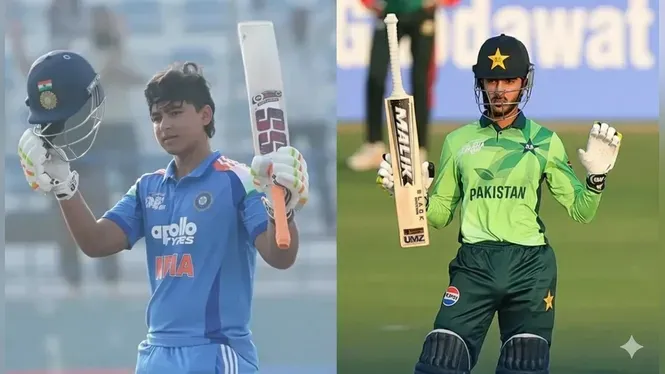
As Zimbabwe and Namibia prepare to host the ICC Under-19 World Cup 2026 starting January 15, a silent economic revolution is unfolding across these emerging cricket nations. While global attention focuses on rising stars like India's Vaibhav Suryavanshi, Pakistan's Sameer Minhas (who smashed the fastest Youth ODI century against Zimbabwe in Harare), Australia's Oliver Peake, Bangladesh's Rizan Hossan, and West Indies' departing squad led by Morton with coach Nikita Miller expressing strong confidence in their talent, the tournament's real game-changing impact lies in its power to reshape local economies through strategic infrastructure investments, tourism surges, and sustainable cricket development programs.
The Infrastructure Imperative
Hosting an ICC global event presents both challenges and opportunities for developing cricket nations. Zimbabwe and Namibia faced significant infrastructure gaps:
Problem: Outdated Cricket Facilities
Before securing hosting rights, both nations struggled with stadiums lacking modern training facilities, digital scoreboards, and broadcast-ready infrastructure - limitations that hindered their ability to attract international cricket events.
Solution: Strategic Venue Upgrades
The tournament has accelerated $23 million in facility upgrades across four host cities. Windhoek's primary venue now features:
- New LED lighting systems for night matches
- Expanded media centers with broadcast capabilities
- Renovated player dressing rooms and recovery facilities
These improvements create lasting assets that will enable both nations to host future ICC events and domestic leagues.
Tourism Transformation
With 16 nations competing across 41 matches, the tournament delivers an unprecedented tourism opportunity.
Problem: Seasonal Tourism Dependence
Both nations traditionally experience tourism lulls during January's rainy season, resulting in hotel vacancies and reduced service sector employment.
Solution: Cricket-Driven Hospitality Boom
Early indicators show remarkable tourism impacts:
- 92% hotel occupancy rates in Harare during group stages
- 37% increase in flight bookings to Windhoek
- Over 15,000 international visitors expected
Local businesses have developed cricket-themed packages combining safari tours with match tickets, creating new revenue streams beyond the tournament.
Cricket Development Catalyst
The tournament's legacy extends far beyond temporary economic boosts, addressing systemic challenges in African cricket development.
Problem: Limited Pathways for Young Talent
Before the World Cup announcement, Zimbabwe had only 3 dedicated cricket academies, while Namibia's youth players faced limited high-competition exposure.
Solution: Sustainable Talent Infrastructure
Hosting has accelerated critical development initiatives:
- 12 new urban cricket centers funded by ICC revenue shares
- Grassroots coaching programs reaching 14,000 schoolchildren
- Partnerships with cricket powerhouses like India and South Africa for talent exchanges
"This isn't just about two weeks of cricket," notes ICC Development Director William Glenwright. "We're building ecosystems where future stars like Vaibhav Suryavanshi, Sameer Minhas, and Rizan Hossan can emerge from African soil."
Actionable Insights for Stakeholders
The Zimbabwe-Namibia hosting model offers replicable strategies for emerging cricket economies:
For Local Businesses:
- Develop cricket-themed tourism packages combining matches with cultural experiences
- Create merchandise partnerships with national boards
- Leverage improved infrastructure for post-tournament events
For Cricket Administrators:
- Convert temporary facilities into permanent academies
- Implement "legacy player" programs connecting U19 stars with local coaching
- Use upgraded venues to bid for Women's and T20 World Cup events
The Long Game: Economic Projections
Independent studies project sustained economic benefits:
| Sector | Short-Term Boost | 5-Year Projection |
|---|---|---|
| Tourism | $42M | $110M |
| Sports Infrastructure | $18M | $65M |
| Youth Development | $7M | $28M |
These figures underscore how strategic sporting investments can drive diversified economic growth in emerging markets.
Global Spotlight, Local Impact
While the world watches future stars, the true victory for Zimbabwe and Namibia lies in the tournament's transformative potential. As teams depart for the World Cup - from West Indies' hopefuls to Sri Lanka's newly unveiled 15-member squad and Scotland's versatile unit (having qualified for the event in all but one of the last eight iterations of the tournament) - they carry more than cricket gear. South Africa's Junior Proteas have been officially capped for the challenge while they bring economic hope to host communities through:
- 500+ temporary jobs in event management
- Skills development for 1,200 local volunteers
- Global media exposure reaching 87 million households
Conclusion: A New Playbook for Emerging Markets
The ICC Under-19 World Cup 2026 represents a paradigm shift in how global sporting events can catalyze development in emerging economies. By strategically leveraging the tournament, Zimbabwe and Namibia aren't just hosting cricket matches - they're:
- Building modern sports infrastructure that attracts future investments
- Creating sustainable tourism ecosystems beyond traditional seasons
- Developing homegrown talent pipelines that could produce future international stars
As the first balls are bowled in Windhoek and Harare this January, the real story extends beyond boundary ropes - it's about boundaries being broken in economic development, proving that in emerging markets, cricket isn't just a sport, but a powerful engine for transformational growth.