Shafali Verma's Lone Nomination: What It Reveals About India's Women's Cricket Pipeline
The Bright Spot in a Troubling Pattern
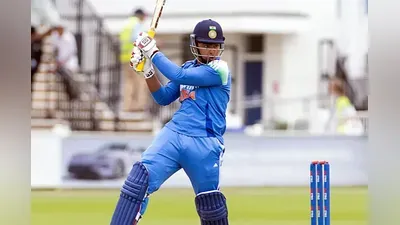
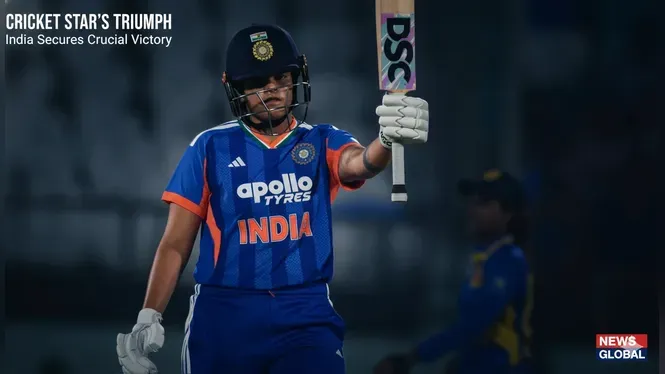
Young batting sensation Shafali Verma stands as India's solitary representative among December 2025's ICC Women's Player of the Month nominees, continuing a worrying trend for the world's largest cricket ecosystem. While South Africa celebrates two nominees (Laura Wolvaardt and Sune Luus) and India's men cricketers draw blank in their category, Verma's individual brilliance contrasts sharply with systemic pipeline deficiencies.
The Infrastructure Paradox
India boasts the world's richest cricket board (BCCI), a successful Women's Premier League (WPL) featuring teams like UP Warriorz who begin their 2026 campaign on January 10, and unprecedented fan engagement. Yet this ecosystem consistently produces just one world-class female contender at ICC awards. The disconnect reveals structural flaws:
Problem 1: The Visibility Gap
Domestic tournaments lack the scouting intensity and media coverage afforded to men's cricket. While male prospects like those in IPL receive instant national recognition, emerging female players outside WPL franchises remain invisible until they crack the national team - a bottleneck illustrated by Verma being India's only consistent award contender since her teenage breakthrough.
Problem 2: Development Pathway Potholes
State-level training programs lack the specialized coaching and competitive depth needed to produce world-beaters. Unlike Australia's centralized high-performance system or England's regional hubs, India's talent pipeline depends heavily on individual grit and private academies - an unsustainable model evident when comparing India's solitary nomination to South Africa's dual contenders.
Problem 3: Limited Competitive Exposure
While WPL has increased opportunities, India's domestic calendar still offers fewer high-pressure matches compared to England's The Hundred or Australia's WBBL. This experience gap becomes evident in ICC tournaments where Indian players often appear less battle-hardened than rivals.
The Ripple Effect Beyond Cricket
This talent pipeline crisis contrasts sharply with India's successes in other sports. While Verma flies solo in cricket nominations, badminton stars like PV Sindhu and doubles pair Satwiksairaj Rankireddy/Chirag Shetty dominate Malaysia Open headlines with first-round victories. Even the men's hockey team regularly produces multiple FIH award nominees - highlighting cricket's specific systemic failures. Meanwhile, global sports franchises like the Lakers dominated Google Trends on January 8, 2026, underscoring the competition for public attention that women's cricket faces beyond domestic sporting circles.
Building Solutions: Lessons From Home and Abroad
Addressing these gaps requires structural reforms, not quick fixes:
Solution 1: Revolutionize Grassroots Scouting
Create a nationwide scouting combine modeled after Australia's "Female Cricket Talent Search" with dedicated scouts in each zone. Current reliance on state associations leaves rural talents undiscovered - a critical gap when 65% of India's population resides in villages.
Solution 2: Bridge the Domestic-International Gap
Expand the Women's Domestic Trophy into a true feeder system with A-team tours and development squads. The upcoming UP Warriorz vs Gujarat Giants WPL opener on January 10 should be the culmination of a pyramid, not the only visible platform.
Solution 3: Specialized Skill Development
Establish National Cricket Academy wings dedicated to women's fast bowling, spin, and power-hitting - areas where India lags behind global standards. Verma's explosive batting remains an outlier rather than a cultivated skill.
The Road Ahead
While Shafali Verma's nomination celebrates individual excellence, it underscores collective failure in nurturing depth. As Australia dominates ICC rankings with 87.5% WTC points and South Africa produces multiple award contenders, India must convert its financial might and fan base into sustainable systems. The solution lies not in searching for the next Verma, but in building pathways where fifty Vermas emerge naturally.
The 2026 WPL season starting January 10 offers immediate testing ground for these reforms. Unless franchises like UP Warriorz invest beyond marquee signings into academy systems and domestic scouting, India's ICC award nominations may remain solitary sparks rather than sustained fireworks.