The Bowling Ranking Paradox: Why Dominant Performers Like Deepti Sharma Keep Losing Top Spot
In a shocking twist to India's celebratory 5-0 T20 series sweep against Sri Lanka, star spinner Deepti Sharma lost her hard-earned No.1 ICC bowling ranking to Australia's all-rounder Annabel Sutherland despite the team's complete dominance - exposing the hidden volatility in cricket's global ranking system that often prioritizes explosive match impact over sustained excellence.
The Ranking Shuffle That Defied Logic
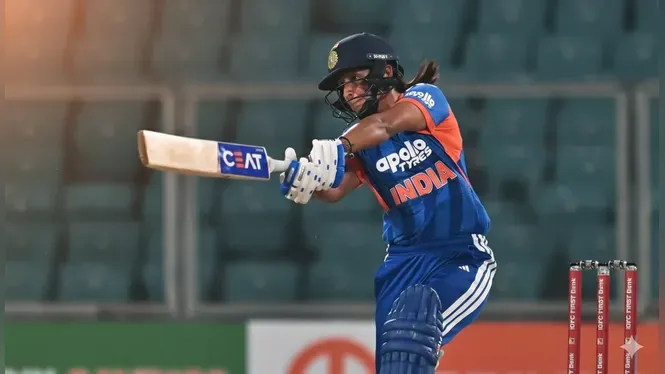
Tuesday's ICC Women's T20 rankings update released on January 6 delivered a double-edged sword for Indian cricket fans. While captain Harmanpreet Kaur climbed two spots to 13th position among batters following her Player of the Match-winning 68-run knock off 43 balls in the fifth and final T20I at Thiruvananthapuram, the bowling charts told a different story. Deepti Sharma, who had anchored India's bowling attack throughout the series, suddenly found herself dethroned by Australia's Annabel Sutherland - a development that left statisticians scratching their heads given India's comprehensive series victory.
Decoding the ICC's Hidden Weighting System
The unexpected ranking shift reveals three critical factors in ICC's bowling evaluation formula:
1. Recency Bias in Performance Metrics
Unlike batting rankings that reward cumulative performance, bowling rankings disproportionately value recent matches. Sutherland's ascent coincided with Australia's ongoing international engagements, while Deepti's performances - though crucial in India's series win - were weighted less heavily as the matches aged in the ICC's calculation window.
2. The Economy vs. Wickets Dilemma
While Deepti maintained remarkable economy rates throughout the Sri Lanka series, the ICC system appears to favor wicket-taking bursts. Sutherland's ability to claim multiple wickets in key moments for Australia during their recent fixtures likely triggered the ranking leap, demonstrating how the algorithm rewards match-changing impacts over consistent containment.
3. Opposition Strength Calculations
Despite India's clean sweep, the ranking system accounts for the relative strength of opponents. Australia's matches against higher-ranked teams may have given Sutherland's performances extra weight compared to Deepti's displays against lower-ranked Sri Lanka - a structural feature that often disadvantages players from nations with less competitive schedules.
The Ripple Effects on Women's Cricket
This ranking paradox creates tangible consequences for players and teams:
Contract Negotiations & Sponsorships
Top rankings directly influence player valuations in franchise leagues and endorsement deals. Deepti's unexpected drop could cost her financially despite identical performance levels.
Tournament Seedings
Team rankings derived from individual positions affect World Cup groupings and fixture scheduling, potentially impacting India's future tournament pathways.
Career Legacy Considerations
With ranking volatility making sustained dominance difficult, modern bowlers must strategically plan their peak performances around ICC's ranking calendar rather than focusing solely on match outcomes.
Historical Precedents of Ranking Volatility
This isn't the first instance where ICC's system produced head-scratching results:
The 2019 Meg Lanning Anomaly
Australia's captain once lost her No.1 batting position despite scoring consecutive half-centuries, similarly due to weighting of opposition strength and recency factors.
Radha Yadav's Yo-Yo Rankings
The Indian spinner has previously gained and lost 5+ ranking positions within weeks despite minimal change in actual performance, highlighting system sensitivity.
Balancing the Scales: Possible Solutions
Cricket statisticians propose these reforms to reduce ranking volatility:
Extended Performance Windows
Expanding the evaluation period from current 12-15 matches to 20+ games would smooth out temporary fluctuations and better reflect true skill levels.
Separate Metrics for Different Roles
Creating specialized rankings for containment bowlers (like Deepti) versus strike bowlers would acknowledge diverse bowling contributions.
Transparent Weighting System
Public disclosure of exact formula components (economy vs. wickets, opposition strength ratios) would help players tailor their strategies.
The Silver Lining for Team India
While Deepti's personal setback stings, India's overall ranking health shows promising signs:
Batting Depth Emergence
Harmanpreet Kaur's rise to 13th position complements Smriti Mandhana (3rd) and Shafali Verma (6th), who maintained their spots, giving India three batters in the top 15 - their best representation in years.
New Bowling Talents Rising
Shree Charani's advancement in bowling rankings suggests India's spin reserves remain strong despite Deepti's temporary setback.
Series Dominance Matters Most
Players emphasized the 5-0 clean sweep outweighs individual rankings, with Deepti herself noting "the trophy matters more than my personal position" in post-series comments.
What Next for Deepti Sharma?
The road back to No.1 involves strategic navigation of ICC's system:
Targeted Peak Performance
Scheduling her best spells against higher-ranked opponents like Australia and England to maximize ranking points.
Wicket-Claiming Aggression
Temporarily prioritizing wicket-taking over economy rates in bilateral series to accumulate ranking-boosting performances.
Global Franchise Impact
Using WPL and Hundred appearances to face diverse batters, improving her opposition strength metrics in ICC calculations.
The Bigger Picture for Women's Cricket
This incident highlights growing pains in the professionalization of women's cricket:
Data-Driven Career Management
Players now require statisticians and analysts to optimize their ranking trajectories alongside on-field coaching.
Standardized Global Calendar
Disparities in match frequency between nations create uneven ranking opportunities - a problem the ICC must address.
Fan Education Imperative
As casual viewers struggle to understand ranking fluctuations, cricket boards need better communication about evaluation metrics.
As the dust settles on this ranking controversy, one truth remains self-evident: In the data-driven future of cricket, understanding the algorithm becomes as crucial as mastering the googly. While Deepti Sharma's temporary demotion stings today, her proven ability suggests this setback is merely an interval in what promises to be a long reign among bowling's elite - provided she cracks the ICC's complex ranking code.