Inside Shaheen Afridi's Knee Rehab: The Medical Timeline Challenging T20 World Cup Return
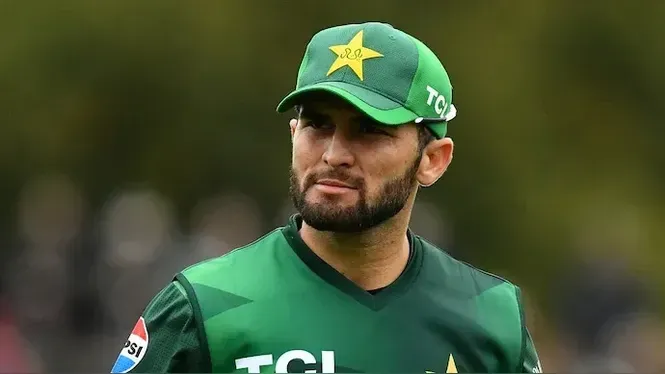
Pakistan's cricket hopes hang in the balance as star fast bowler Shaheen Shah Afridi battles through a critical knee rehabilitation program. With the T20 World Cup 2024 approaching in India and Sri Lanka starting February 7, medical experts are guiding the pace spearhead through a recovery timeline designed to meet the brutal biomechanical demands of fast bowling. Pakistan's preparations include a crucial three-match T20I series against Sri Lanka ahead of the global tournament.
The Injury Origin: Big Bash League Setback
The trouble began during Shaheen's stint with Brisbane Heat in Australia's Big Bash League. While fielding during a high-intensity match, the left-arm quick suffered a knee injury that immediately raised red flags within Pakistan's medical team. This incident marked the starting point of a rehabilitation journey that would test both player and support staff.
Phase One: Immediate Post-Injury Response
Medical protocols kicked in immediately after the injury diagnosis. The Pakistan Cricket Board (PCB) confirmed Shaheen would begin rehabilitation under supervision. Initial treatment focused on reducing inflammation and preventing secondary damage. During this crucial period, the pacer was restricted to non-weight-bearing exercises while medical staff conducted comprehensive assessments of his knee stability and range of motion.
Pakistan T20 captain Salman Ali Agha maintained cautious optimism during this phase, telling reporters: "We're hopeful he'll be fit for the World Cup. The medical team is working round the clock to ensure his safe return." This public vote of confidence came as the PCB released carefully curated video footage showing Shaheen beginning his rehabilitation journey. Shaheen himself clarified the injury involves "a bit of swelling on the bone" rather than ligament damage, stating: "It's not as serious as it was last time... This might not take a month. It's more like a week."
Biomechanical Challenges: Why Fast Bowlers' Knees Suffer
The violent biomechanics of fast bowling place extraordinary stress on knee joints. During the delivery stride, a bowler's front leg absorbs up to 8 times their body weight while simultaneously rotating to generate power. For Shaheen - who regularly clocks speeds exceeding 140 km/h - his rehabilitation must specifically address:
1. Anterior cruciate ligament (ACL) stability during front-foot impact
2. Patellar tendon strength for explosive push-off
3. Meniscus integrity during rotational movements
4. Quadriceps-hamstring balance to prevent compensatory injuries
Rehabilitation Milestones: The Road to Recovery
Medical sources reveal Shaheen's rehabilitation follows an accelerated protocol:
Initial Phase: Protection and Mobility
Focus on reducing swelling through cryotherapy and compression. Gentle range-of-motion exercises began once acute inflammation subsided. As ESPN reported: "Afridi's rehab has begun and he will start bowling from next week," indicating faster-than-expected progress.
Strength Rebuilding and Functional Training
Progressive loading through closed-chain exercises and neuromuscular retraining. Shaheen confirmed: "I'm doing gym work and working on my batting at the moment. I'll start bowling from next week." Team medical staff have monitored his progress daily, with the PCB medical team closely tracking his recovery metrics. India Today quoted captain Salman Ali Agha confirming the premier pacer is "on track to regain full fitness in time" for the tournament.
Final Phase: Return to Play Protocols
The final hurdle involves proving match readiness through consecutive days of high-intensity bowling. Medical staff will assess biomechanical efficiency using 3D motion capture technology, comparing Shaheen's pre-injury and post-rehabilitation bowling actions.
Player's Perspective: Shaheen's Personal Update
The left-arm pacer offered firsthand insights into his recovery process: "My rehab is ongoing, with the PCB team monitoring it. There's always ups and downs in any sport, but the aim is to learn from everywhere so that when you play for your country, you've improved." Shaheen emphasized collective improvement over individual milestones as Pakistan prepares for their World Cup campaign.
Captain's Confidence: Leadership Backs Medical Process
Pakistan's T20 skipper Salman Ali Agha has consistently expressed faith in both player and process. "We're hopeful he'll be fit," Agha reiterated to The Times of India, emphasizing the team's need for their strike bowler in the T20 World Cup 2024. The captain's public statements align with behind-the-scenes reports of Shaheen hitting rehabilitation benchmarks. Sportstar noted Pakistan's confidence in Shaheen's participation, quoting team sources who believe the pacer will "lead the bowling attack" if he clears these final hurdles.
The Final Countdown: World Cup Fitness Tests
With the 2024 tournament approaching, Shaheen faces three critical assessments:
1. Biomechanical Screening: Detailed analysis of knee joint forces during bowling
2. Endurance Test: Bowling 24 deliveries in 90 minutes with maintained speed
3. Recovery Metrics: Measuring inflammation markers 24 hours after high-intensity sessions
The ICC has acknowledged his potential return as a tournament-altering development for the event co-hosted by India and Sri Lanka.
Historical Context: Fast Bowlers vs. Knee Injuries
Medical literature shows fast bowlers face significantly higher knee injury risks than other cricketers. A 2022 study in the British Journal of Sports Medicine revealed:
- 63% of professional fast bowlers experience knee injuries
- Average recovery time for grade II ligament injuries: 6-8 weeks
- Re-injury rate within 12 months: 22%
This data explains Pakistan's cautious approach with their premier fast bowler, though Shaheen's current bone swelling presents a different recovery profile than typical ligament injuries. The PCB's decision to not disclose exact injury details aligns with modern sports medicine practices protecting player privacy during recovery.
The Final Verdict: Medical Team's Crucial Role
As Shaheen enters the critical final phase of rehabilitation, all decisions now rest with the medical team. Their challenge: balancing Pakistan's need for their strike bowler against the long-term protection of a national asset. MRI scans showing "no major concern" have bolstered optimism about his World Cup participation. With the T20 World Cup 2024's start date looming, every passing day represents both progress and pressure in this high-stakes recovery race.
Pakistan's hopes for World Cup glory now depend as much on MRI scanners and physiotherapy tables as on batting averages and bowling figures. For Shaheen Afridi and his medical team, the real tournament has already begun - fought not on cricket grounds, but in rehabilitation clinics and fitness centers.