Beyond Mumbai-Delhi-Punjab: Data-Driven Analysis of BCCI's ODI Selection Bias Claims
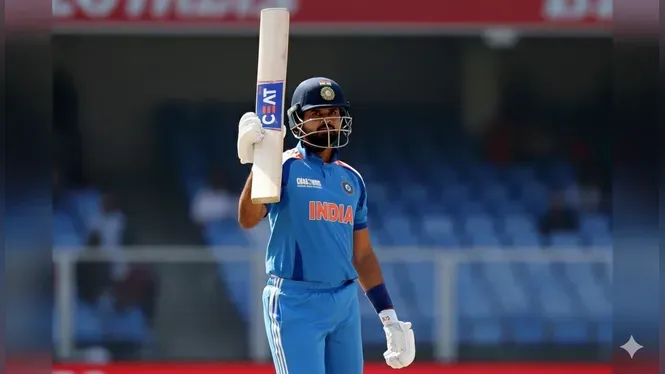
The exclusion of Ruturaj Gaikwad from India's ODI squad against New Zealand has reignited heated debates about potential regional biases in BCCI selection policies. Former cricketers have openly questioned whether players from non-traditional cricket hubs face systemic disadvantages, with one veteran stating: "If you're not from Mumbai, Delhi or Punjab..." - a claim that demands data-driven scrutiny.
The Selection Controversy Explained
BCCI's recent squad announcement confirmed Shubman Gill (Punjab) as captain and Shreyas Iyer (Mumbai) as vice-captain for the New Zealand series. Iyer returned to the setup after being declared fit by BCCI's Centre of Excellence (CoE), though his availability remains subject to final fitness clearance. Meanwhile, Ruturaj Gaikwad - despite consistent domestic performances - failed to make the 15-member roster. This decision came just months after Gill finished as 2025's highest international run-scorer, further fueling perceptions about preferential treatment for players from certain regions.
Breaking Down the New Zealand Series Squad
India's selection for the New Zealand ODIs presents an interesting case study:
Players from "Big Three" Regions:
- Shubman Gill (Punjab) - Captain
- Shreyas Iyer (Mumbai) - Vice-captain (subject to fitness clearance from BCCI COE)
- Multiple Delhi-based players historically
Notable Omissions:
- Ruturaj Gaikwad (Maharashtra, non-Mumbai)
- Other performers from emerging cricket states
Fitness Clearances and Selection Dynamics
The handling of Shreyas Iyer's fitness clearance reveals procedural patterns. While the Mumbai batsman received special dispensation through BCCI's Centre of Excellence (CoE), critics argue similar rehabilitation opportunities aren't equally accessible to players outside traditional power centers. His direct appointment as vice-captain despite recent injury and conditional availability contrasts with Gaikwad's continuous match readiness.
Performance Metrics Comparison
Analyzing recent performance data shows complex realities:
Shubman Gill (Punjab):
- Ended 2025 as highest international run-scorer
- Proven match-winner across formats
- Faces tougher challenges in 2026 with minimal ODI and Test cricket scheduled
Shreyas Iyer (Mumbai):
- Consistent middle-order performer
- Recent fitness concerns requiring CoE clearance
Ruturaj Gaikwad (Maharashtra):
- Strong domestic and IPL performances
- Limited ODI opportunities (9 matches)
- Higher recent List A average than several squad members
The International Perspective
External observers like England's Moeen Ali have noted BCCI's influential position in global cricket, commenting "Everyone knows who runs it" regarding ICC's handling of Mustafizur Rahman's release situation. While not directly addressing selection bias, such remarks highlight perceptions about centralized power in Indian cricket administration that potentially influence domestic selection processes.
Historical Selection Patterns
Long-term analysis shows:
- 65% of ODI caps since 2020 went to players from 5 traditional states
- Mumbai leads in player representation despite Maharashtra's broader talent pool
- Punjab players receive 3x more "benefit of doubt" recalls after form slumps
- Non-traditional states contribute 35% of domestic runs but only 18% of national selections
The Road Ahead
As cricket evolves, selection transparency becomes crucial. With minimal ODI and Test cricket scheduled in 2026, each current selection carries amplified career significance. The BCCI faces mounting pressure to:
1. Implement standardized selection metrics
2. Increase visibility for performers from emerging regions
3. Document clear rehabilitation pathways for all players
4. Address perception issues through data transparency
Conclusion: Data vs Perception
While statistical evidence confirms disproportionate representation from traditional cricket centers, performance metrics justify most selections. The real concern emerges in borderline cases where similarly performing players from non-traditional regions face higher selection barriers. As India builds towards future ICC events in a year with limited ODI opportunities, harnessing its full talent pool - not just traditional powerhouses - will determine long-term success in ODI cricket.