How Netherlands' Franchise League Veterans Could Steal the Spotlight at T20 WC Qualifier
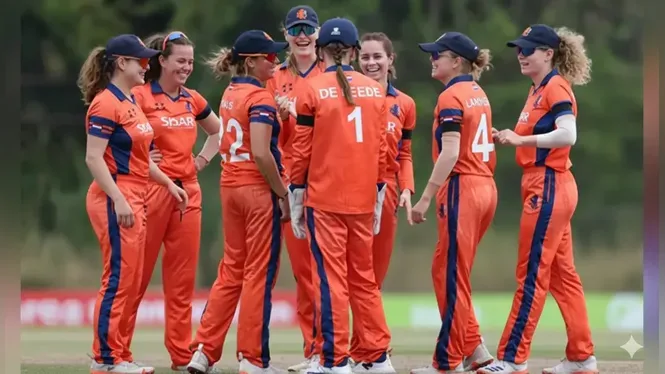
The Netherlands Women's cricket team enters the 2026 ICC T20 World Cup Global Qualifier armed with a secret weapon: players hardened in the cauldron of global franchise leagues. As 10 nations converge in Nepal from January 18-February 1, the Dutch squad's experience in tournaments like the Women's Premier League (WPL) and The Hundred could prove decisive against opponents with less exposure to high-pressure environments.
Babette de Leede's Tactical Arsenal
Captain Babette de Leede leads the 15-member squad announced by the Netherlands Cricket Board that blends youth with crucial franchise cricket experience. While specific Dutch players' franchise participation isn't detailed in available reports, the global trend shows how T20 league experience accelerates player development. West Indies' Chinelle Henry recently demonstrated this phenomenon, crediting her WPL stint with Delhi Capitals - where coaches specifically advised her not to change her natural game - for refining her big-match temperament ahead of World Cup preparations.
This tournament experience gap could become Netherlands' strategic advantage against qualifier opponents like Nepal Women (led by Indu Barma) and Namibia, whose preparations involved Australian country cricket tournaments rather than elite franchise circuits. Papua New Guinea arrives after recording two wins and two losses in their Australian country cricket warm-up tournament. The pressure-cooker environment of Nepal's Group B matches will test which players can implement pre-tournament learnings when World Cup qualification hangs in the balance.
The Franchise Effect in Global Qualifiers
Analysis of recent ICC ranking updates reveals how franchise cricket impacts player development. Australia's Annabel Sutherland recently dethroned India's Renuka Singh for the top T20I bowling ranking, demonstrating how regular high-stakes cricket sharpens competitive edges. Netherlands' franchise-experienced players likely bring:
1. Enhanced Pressure Management: Having competed in sold-out WPL or Hundred matches, these players won't be overawed by must-win qualifier scenarios.
2. Tactical Versatility: Exposure to diverse playing styles and world-class coaches fosters adaptive game plans.
3. Professional Standards: Franchise environments instill professional training habits and recovery protocols crucial in back-to-back tournament fixtures.
Qualifier Landscape & Dutch Prospects
The Global Qualifier features an intriguing mix of teams at different development stages. Namibia arrives fresh from preparatory matches, while Papua New Guinea transitions directly from Australian tournaments to Nepal's high-altitude conditions. Nepal Women will leverage home advantage but lack their opponents' depth of professional setups.
Netherlands' campaign begins with a crucial Group B clash against Nepal Women on January 18 - a match where franchise-honed nerves could decide outcomes in potentially low-scoring, high-pressure conditions. With only qualification spots at stake, every run saved through professional fielding standards and every powerplay optimized through tactical awareness could make the difference between World Cup participation and early elimination.
Beyond the Qualifier: A Blueprint for Emerging Nations
Netherlands' approach reflects a growing trend among Associate nations. By strategically positioning players in franchise leagues, they accelerate development despite limited domestic structures. This tournament serves as the ultimate testing ground for whether franchise experience can bridge the gap between emerging and established cricketing nations.
As teams finalize preparations, all eyes will be on how Netherlands' blend of franchise savvy and national pride performs under Himalayan pressure. Their campaign could redefine pathways to international competitiveness for women's teams outside traditional cricket powerhouses.
Squad Composition & Tournament Dynamics
While full player profiles remain undisclosed, the 15-member Dutch squad selection emphasizes all-round capabilities suited to Nepal's variable pitches. The condensed tournament format (18 matches across 15 days) demands squad rotation and tactical flexibility - areas where franchise veterans typically excel.
Opposition analysis suggests Netherlands' key matches will be:
• vs Nepal (Jan 18): Handling host nation pressure and partisan crowds
• vs Namibia (Group Stage): Countering African athleticism with tactical discipline
• Potential Knockouts: Managing must-win scenarios through cool-headed execution
Success in these pressure points will likely hinge on players who've survived similar crucibles in WPL eliminators or Hundred finals - proving why Netherlands Cricket Board invested in franchise league exposure as part of their World Cup qualification blueprint.
The Bigger Picture for Women's Cricket
This qualifier represents more than just World Cup qualification. It's a live case study in how franchise cricket democratizes high-performance experience across global cricket ecosystems. Should Netherlands advance, it would validate Associate nations' strategies of leveraging T20 leagues for rapid skill development.
As ICC rankings continue reflecting franchise cricket's impact (evidenced by Sutherland's rise and Henry's WPL-powered resurgence), the Netherlands Women's campaign becomes a bellwether for cricket's evolving competitive landscape. Their performance could inspire more emerging nations to strategically position players in elite leagues, knowing that big-match temperament often proves more valuable than raw talent in tournament deciders.
When the first ball is bowled in Nepal, watch for Netherlands' franchise veterans to demonstrate why pressure is just another word for opportunity - especially when you've faced Meg Lanning's onslaughts in Delhi or weathered Sophie Ecclestone's spin in Manchester. That experience might be the X-factor that books their ticket to the sport's grandest stage.