Beyond the Scoreboard: How the T20 World Cup Qualifier is Forging New Pathways for Women's Cricket
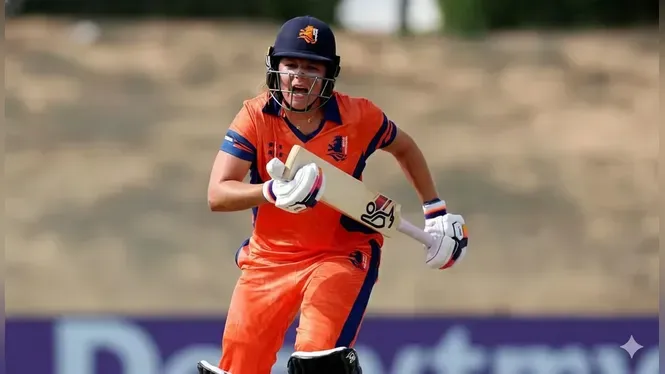
The scoreboards tell only half the story at the ongoing Women's T20 World Cup Global Qualifier. While Bangladesh maintains their third consecutive victory with an 80-run demolition of Namibia following earlier wins against the United States and Papua New Guinea, and the Netherlands survives a nail-biting 2-run thriller against Nepal, these matches represent something far bigger than tournament standings. They mark critical milestones in cricket's global revolution, where emerging nations are forcing the world to reconsider what's possible in women's sports.
The New Competitive Landscape
Kathmandu has become the unlikely epicenter of cricket's quiet transformation. When Ireland defeated the USA by 16 runs - powered by Leah Paul's sweeping exhibition of 67 runs against USA's spinners - and Scotland secured their first Group B victory against Zimbabwe, these weren't just routine qualifier matches. They were evidence of a rapidly closing gap between established cricketing nations and developing programs. The Netherlands' heart-stopping defense against Nepal's late surge - where victory came down to the final ball despite Sita Rana Magar and Rubina Chhetry's experienced fightback - demonstrates how qualifier pressure is forging competitive resilience in emerging teams.
Bangladesh's dominant performance against Namibia (winning by 80 runs) showcases the explosive potential when development programs bear fruit. Meanwhile, Scotland's five-wicket triumph over Zimbabwe reveals how Associate Nations are leveraging these global platforms to accelerate their growth. These matches collectively prove that the qualifying process itself has become as valuable as World Cup qualification for growing the women's game.
Development Programs Paying Dividends
The ICC's investment in global development initiatives appears in every tight match and unexpected result. Nepal's near-upset of the Netherlands - falling just 2 runs short thanks to veteran players Magar and Chhetry keeping the chase alive until the final delivery - illustrates how targeted support can transform minnows into genuine threats. The Royal Dutch Cricket Federation (KNCB), operational since 1883 but now prioritizing women's pathways, reaps rewards as their team progresses to the Super Six stage despite fierce competition.
Similarly, Namibia's participation against cricket heavyweights like Bangladesh provides invaluable exposure that feeds back into domestic structures. Even in defeat, these emerging teams gain technical experience and tactical awareness that would take years to develop through bilateral series alone. The qualifier format essentially functions as an intensive development camp, compressing years of growth into weeks of elite competition.
Infrastructure Boom Triggered By Performance
Competitive showings at global qualifiers directly translate to increased investment back home. After Ireland's convincing 16-run win against the USA featuring Paul's batting masterclass, cricket authorities face renewed pressure to expand women's domestic leagues and training facilities. Scotland's historic victory over Zimbabwe will likely accelerate funding approvals for their youth academy programs.
The Namibian Cricket Board now possesses compelling evidence to lobby for better resources after their team's participation against top-tier opponents. Meanwhile, Nepal's electrifying performance against the Netherlands - taking the match to the final ball through their senior players' efforts - creates unprecedented public interest that could transform women's sports funding in the Himalayan nation. These infrastructure developments create virtuous cycles: better facilities produce better players, who achieve better results, which justify further investment.
The Ripple Effect Beyond Qualification
While teams battle for 2026 World Cup slots, the qualifier's true legacy extends far beyond tournament progression. Every match broadcast globally challenges outdated perceptions about women's cricket capabilities in emerging nations. When Netherlands needed nerves of steel to defend against Nepal's final-over assault led by Magar and Chhetry, or when Scotland clinically chased down Zimbabwe's total, they weren't just winning matches - they were winning new generations of fans and future players.
The United States' participation despite their loss to Ireland plants crucial seeds in a market critical for cricket's globalization. As these teams return home with enhanced skills and credibility, they become catalysts for domestic growth. School programs gain traction, media coverage increases, and young girls see viable career paths in cricket - impacts that persist long after the qualifier trophies are distributed.
Redefining Success in Global Tournaments
The ICC's qualification structure has inadvertently created a new metric for measuring progress in women's cricket. While Bangladesh and Netherlands remain undefeated, the real tournament victories belong to teams like Nepal - whose experienced duo proved they can compete with established cricketing nations - and Scotland, who converted potential into their first group stage win. Zimbabwe's narrow loss becomes valuable data for refining their development strategy.
This shift in perspective transforms the qualifier from a mere gateway event into a powerful equalizer. The pressure-cooker environment exposes technical and mental gaps that domestic competitions might mask, providing clear roadmaps for improvement. When Ireland defended their total against the USA through Paul's strategic batting exhibition, they demonstrated maturity that only comes from regular high-stakes competition - exactly the experience the ICC hoped to create through this global format.
The Road to 2026 and Beyond
As teams advance to the Super Six stage, the qualifier's secondary mission comes into sharp focus. Each match contributes data points that will shape the ICC's next development phase. Namibia's bowling improvements between matches, Nepal's death-over batting surge through their veteran core, and Scotland's fielding consistency all inform where resources should flow next.
The dramatic Netherlands-Nepal clash proves that Associate Nations are ready for more frequent elite competition. Bangladesh's clinical execution in their third straight victory against Namibia demonstrates how sustained investment creates world-class teams from non-traditional markets. These lessons will influence everything from future tournament structures to youth outreach programs across five continents.
While the scorecards will eventually fade, the infrastructure built, the young athletes inspired, and the development programs strengthened during this qualifier will keep transforming women's cricket for decades. The true victors emerging from Kathmandu won't just be the teams securing World Cup slots - they'll be the thousands of girls worldwide who now see cricket as a viable dream, thanks to boundaries being broken both on and off the field.