How Political Tensions Between India and Bangladesh Are Reshaping Cricket Diplomacy
A Sporting Crisis With Geopolitical Roots
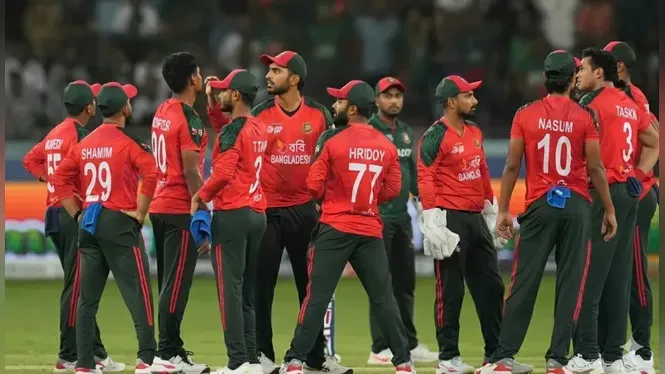
The Bangladesh Cricket Board (BCB) has shocked the cricketing world by refusing to play T20 World Cup matches in India and withdrawing its umpires from the tournament, escalating a diplomatic crisis sparked by the controversial release of pace bowler Mustafizur Rahman from IPL franchise Kolkata Knight Riders by BCCI order. This unprecedented boycott reveals how political tensions between the neighboring nations have poisoned what was once a thriving sporting relationship. The ICC firmly rejected BCB's request to shift their World Cup fixtures from India during Tuesday's virtual meeting after finding no actionable security threats, warning that refusal to play would constitute forfeiture. The standoff comes just a month before the February tournament, intensifying logistical pressures.
The Mustafizur Flashpoint: From IPL Snub to International Crisis
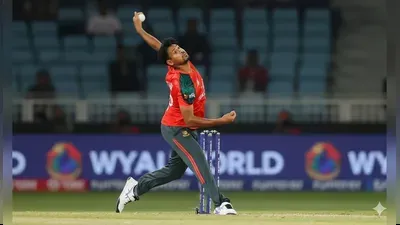
The crisis began when Mustafizur Rahman, Bangladesh's premier fast bowler with 101 international wickets and a key IPL performer, was abruptly removed from Kolkata Knight Riders' squad ahead of the 2026 season by BCCI order. Following the IPL-related decision, the BCB held two "emergency meetings" within 24 hours, including a virtual meeting on Sunday afternoon where board directors – initially hesitant – took their cue from government directives to announce the boycott.
"The board directors have been hesitant to take a firm decision, but government intervention changes their stance," revealed sources close to the BCB. This governmental push transformed a sporting dispute into a full-blown diplomatic incident, with Bangladesh authorities swiftly imposing an indefinite nationwide suspension on all IPL broadcasts and promotions. As one analyst noted: "When cricket diplomacy slips, even the biggest league can be left on mute." The move directly impacts the upcoming T20 World Cup, forcing the International Cricket Council (ICC) to mediate and consider emergency schedule revisions as Bangladesh refuses to play matches in India citing "security concerns."
Historical Context: When Cricket Mirrors Political Relations
India-Bangladesh cricket relations have historically reflected broader political dynamics. While Bangladesh gained Test status with India's crucial support in 2000, recent years saw tensions flare over border disputes, immigration policies, and religious nationalism. The current crisis marks the first time these geopolitical strains have derailed a multinational ICC event since the 1996 Colombo boycott and England’s 2003 Harare refusal. Pakistan has since thrown its full support behind Bangladesh's boycott, offering to engage with the ICC if needed.
Congress MP Shashi Tharoor, chairman of India's Parliamentary Standing Committee on External Affairs, condemned the BCCI's decision: "Bangladesh is not Pakistan … it doesn't send terrorists … dropping Mustafizur Rahman from IPL is absolutely appalling. Why must cricket alone bear the burden of social media outrage? That player has never spoken against India or Hindus in Bangladesh."
Domestic Politics Fueling the Fire
In India, the BCCI's move has emboldened right-wing factions. As one analysis noted: "The BCCI decision has given new life to the lunatic fringe of the Hindu Right. It now has the confidence to force policy changes." Meanwhile in Bangladesh, Prime Minister Sheikh Hasina's government faces pressure to demonstrate strength against perceived Indian overreach ahead of elections. The controversy deepened when BCB director M. Nazmul Islam triggered outrage by labeling former captain Tamim Iqbal an "Indian agent" after he advocated for pragmatic World Cup participation.
Former Indian cricketer Atul Wassan represents the opposing view, supporting the BCCI's decision: "The BCCI was justified in responding to public sentiment. BCB's boycott threats are just shadow boxing – Indian cricket won't be isolated." This polarization complicates resolution efforts, with NTV Sports Editor Barshan Kabir confirming "political pressure" drove BCB's hardline stance.
Implications for Global Cricket
The boycott creates logistical nightmares for ICC's T20 World Cup planning. With Bangladesh scheduled to play multiple matches in India and now refusing to send umpires, tournament organizers face:
- Last-minute venue changes affecting ticket sales and broadcasting
- Potential forfeited matches impacting the tournament's competitive integrity
- Security concerns for other teams amid heightened political rhetoric
- Additional staffing shortages due to withdrawn Bangladeshi officials, including umpires
- Fan backlash, including claims of Kolkata Knight Riders losing social media followers
More critically, it sets a dangerous precedent where bilateral political disputes could derail multinational sporting events. The ICC's response will test its ability to insulate cricket from geopolitical conflicts.
Pathways to Resolution: Can Cricket Diplomacy Prevail?
Solving this crisis requires multi-level interventions:
1. ICC Mediation
The ICC has stepped in to mediate between the boards, firmly rejecting Bangladesh's request to move matches to neutral venues during Tuesday's virtual meeting after finding no actionable security threats, possibly offering neutral venues for Bangladesh's matches while protecting the tournament's commercial viability. ESPN Cricinfo reports the BCB now faces a binary choice: play in India or forfeit points. The BCB has since sent a second formal letter reiterating demands for venue changes, while a revised "hybrid model" acknowledging Bangladesh's security concerns without conceding to political pressures could provide face-saving exit.
2. Track-II Diplomacy
Former cricketers from both nations could form an informal mediation group. Figures like Sourav Ganguly (India) and Mashrafe Mortaza (Bangladesh), who enjoy cross-border respect, might bridge the trust deficit.
3. Government Backchannels
With India's External Affairs Ministry and Bangladesh's Foreign Office reportedly engaged behind the scenes, a compromise might involve:
- BCCI allowing Mustafizur's IPL return in 2027
- BCB lifting the IPL broadcast ban post-World Cup
- Joint anti-discrimination pledges from both boards
4. Corporate Pressure
IPL's broadcast partners suffering losses from the Bangladesh blackout could push for reconciliation. Sony-Star and Viacom18 might leverage their financial influence with both cricket boards.
The Human Cost: Players Caught in the Crossfire
Beyond geopolitics, the crisis impacts athletes directly. Mustafizur Rahman loses an estimated $500,000 in IPL earnings, while Indian players in the Bangladesh Premier League face uncertain futures. Emerging cricketers from both nations risk losing crucial development opportunities from collapsed bilateral ties.
As Shakib Al Hasan, Bangladesh's star all-rounder, lamented: "We just want to play cricket. Politics should stay off the field." This sentiment resonates with players increasingly weaponized in nationalist conflicts.
Broader Lessons for Sporting Governance
The crisis underscores structural flaws in global cricket:
- Power Imbalance: BCCI's financial dominance allows unilateral decisions affecting smaller boards
- Governance Gaps: ICC lacks mechanisms to prevent political interference in team selections
- Diplomatic Protocols: No established cricket-specific conflict resolution framework exists
Former BCB secretary Syed Ashraful Haque has criticized the politicization of cricket administration, stating "Jay Shah has never held a cricket bat" while alleging ecosystem hijacking. Reforms might include binding arbitration clauses in ICC tournaments and mandatory cooling-off periods before sporting sanctions during political disputes.
Looking Ahead: Can the Rift Be Healed?
While the immediate focus remains salvaging the T20 World Cup, long-term India-Bangladesh cricket relations need institutional safeguards. Bangladesh’s Youth and Sports Adviser Asif Nazrul has reaffirmed the boycott stance, demanding matches relocate to Sri Lanka. Potential confidence-building measures include:
- Reviving the abandoned India-Bangladesh bilateral series
- Creating joint youth cricket exchanges
- Establishing a cricket diplomacy working group under SAARC
- Exploring a "hybrid model" for future tournaments
As former ICC president Ehsan Mani observed: "Cricket survived Cold War boycotts and apartheid isolation. It will survive this too – but only if boards remember the game is bigger than borders."
The coming weeks will test whether cricket can reclaim its role as a bridge between nations or become another casualty of rising nationalism in South Asia. With the T20 World Cup hanging in the balance and the ICC's forfeiture warning looming, all stakeholders must choose between escalating tensions or returning to the spirit that once made cricket this region's greatest unifier.