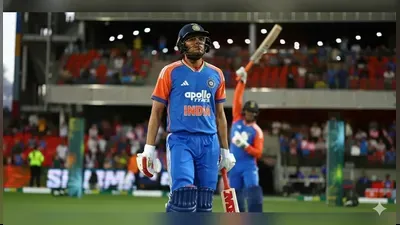
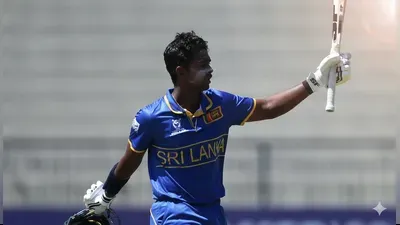
From Brothers to Rivals: The Evolving Geopolitics of India-Bangladesh Cricket Relations
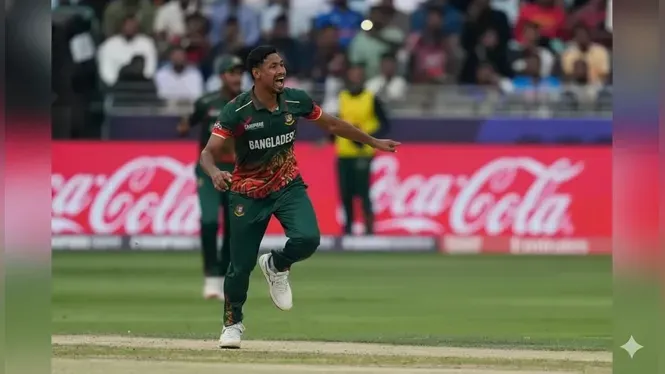
The Golden Era of Cricket Brotherhood
For decades, India and Bangladesh shared a special cricketing bond. Indian legends mentored Bangladeshi players while fans celebrated each other's successes. This camaraderie peaked during Bangladesh's early Test years when India frequently hosted training camps and bilateral series. But dark clouds began gathering after 2015.
2015-2020: First Cracks in the Foundation
Political disagreements over border issues and water sharing started spilling onto cricket fields. The 2016 T20 World Cup witnessed heated on-field exchanges, a departure from previous warm interactions. By 2019, Bangladeshi players openly criticized Indian Premier League's (IPL) recruitment policies after multiple snubs.
The Mustafizur Rahman Tipping Point (2024)
Cricket tensions reached boiling point when Kolkata Knight Riders released Mustafizur Rahman ahead of IPL 2026. Multiple reports confirmed this as a political decision following diplomatic strains. "Access Denied" errors plagued Bangladeshi fans trying to stream IPL matches, fueling anger.
World Cup Ultimatum (May 2024)
Bangladesh Cricket Board dropped a bombshell weeks before the T20 World Cup. They refused to play any matches scheduled in India, demanding relocation to Sri Lanka. Test captain Najmul Hossain Shanto admitted: "Off-field tensions are affecting player morale during crucial preparations."
BCCI's Strategic Silence
India's cricket board adopted a stonewalling tactic. BCCI secretary Devajit Saikia deflected questions about venue changes while India Today reported officials calling it "not our domain." This non-response further strained relations between the cricket administrations.
Commercial Fallout for Players
The tensions hit Bangladeshi players financially. Sponsorship deals with Indian sports brands like Sans-Pa reportedly froze amid the standoff. With the T20 World Cup approaching, players faced dual pressure - professional uncertainty and nationalist expectations.
Media as Battleground
Al Jazeera highlighted how cricket became a "diplomatic weapon," while Asia Times documented deteriorating relations through sports journalism. Bangladeshi media extensively covered the Mustafizur snub, framing it as national humiliation.
Historical Parallels
This isn't cricket's first political crisis, but the speed of deterioration surprised observers. Unlike the storied India-Pakistan rivalry rooted in partition history, the India-Bangladesh fracture represents collapsed trust between recent allies.
The Human Cost
Players from both nations expressed private concerns about fraying personal relationships. Veteran cricketers who played together in early 2000s franchises lamented the new hostility. "We used to share training tips - now we share suspicion," one player anonymously told Bangladesh media.
T20 World Cup Showdown
As both teams prepare for potential clashes in the tournament, security concerns mix with sporting rivalry. The Peninsula Qatar reported Bangladesh's extreme stance: complete boycott if matches remain in India. This ultimatum threatens ICC's tournament logistics.
Broken Dreams of Unity
Cricket administrators once envisioned joint South Asian tournaments. Now, basic bilateral cooperation appears fractured. The game that united river neighbors for 30 years now mirrors their geopolitical divides.
What Next for Cricket Diplomacy?
With the World Cup imminent, neither side shows compromise signs. Historical evidence suggests cricket ties can heal political rifts - as seen in India-Pakistan détentes. But current escalations suggest this feud might outlast the tournament, altering South Asian cricket permanently.