Beyond the Boycott: How Past Player-Board Clashes Shaped Bangladesh Cricket's Power Dynamics
The Breaking Point
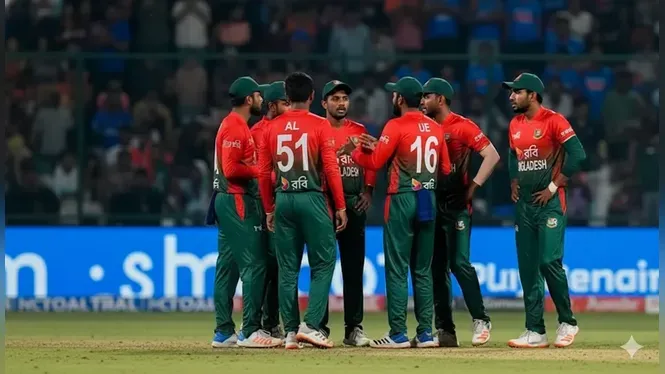
Bangladesh cricket faces its most severe crisis in years as national team players threaten to boycott the T20 World Cup and all cricket activities unless BCB director Nazmul Islam resigns immediately. This ultimatum follows controversial remarks by Islam questioning player commitment during the ongoing Tamim Iqbal controversy, creating a flashpoint in Bangladesh's long history of player-board tensions.
Seeds of Discord (2006-2008)
The current standoff echoes Bangladesh cricket's first major player rebellion in 2006 when 14 national team members refused central contracts over payment structures. This unprecedented move forced the BCB into emergency negotiations, establishing the Cricketers Welfare Association of Bangladesh (CWAB) as an official player representative body - the same organization now leading the boycott threat against Nazmul Islam.
Two years later, players staged another work stoppage during the 2008 domestic season, protesting unequal pay between national and fringe players. The 11-day strike resulted in increased match fees and tournament bonuses, setting a precedent for collective action that continues to influence player-board dynamics today.
The Pay Parity Battle (2012-2013)
Player-board relations reached new lows in 2012 when Bangladesh's T20 specialists threatened to skip the World T20 over payment disparities compared to ODI players. The BCB initially dismissed these concerns before ultimately equalizing per-match payments across formats under intense pressure.
This victory emboldened players to take stronger stances, culminating in the 2013 Test squad boycott threat before a series against Sri Lanka. Players demanded formal contracts, insurance coverage, and improved travel conditions - demands partially met after three days of tense negotiations that established new player welfare standards.
World Cup Standoff (2019-2020)
Bangladesh's most serious prelude to the current crisis emerged before the 2019 T20 World Cup when players refused training over unpaid dues and contract ambiguities. The 48-hour standoff saw the BCB freeze player accounts before relenting to demands for clearer payment schedules and tournament bonuses.
This conflict directly influenced the 2020 revenue-sharing model negotiations, where players secured a larger percentage of ICC tournament earnings - the same financial arrangements now under scrutiny in the Nazmul Islam controversy.
The Current Crisis Unfolds
The present boycott threat marks an escalation in Bangladesh cricket's power struggles. Players have issued a concrete ultimatum demanding BCB finance chairman Nazmul Islam's resignation by January 15, directly linking their participation in Thursday's BPL matches to his removal. This immediate connection of on-field action to administrative change represents a tactical shift from previous disputes focused primarily on financial terms.
At the heart of the conflict lies Islam's public questioning of player commitment during the Tamim Iqbal selection controversy. His remarks about players prioritizing leagues over national duty struck a raw nerve with professionals who recall similar accusations during past disputes. The CWAB's statement explicitly cites these comments as "damaging to player dignity and destructive to team morale."
Pattern or Escalation?
Historical analysis reveals this confrontation follows Bangladesh cricket's established pattern of player-board relations: simmering tensions erupt into public confrontation, followed by negotiated settlements that temporarily ease friction. However, three factors suggest this crisis represents an escalation rather than repetition:
1. Targeted Leadership Challenge: For the first time, players specifically demand an individual board member's resignation rather than policy changes
2. Tournament Leverage: Explicit threats to boycott the T20 World Cup 2026 mark a strategic use of Bangladesh's global cricket standing
3. Institutional Backing: The CWAB's formal involvement signals coordinated action beyond previous ad hoc player groups
Broader Implications
This crisis exposes unresolved structural issues in Bangladesh cricket governance. Player grievances consistently focus on three recurring themes: respect in administrative dealings, transparent financial processes, and professional autonomy - all highlighted in the current demands against Nazmul Islam.
The boycott threat also raises questions about Bangladesh's participation in international cricket. With players conditioning their T20 World Cup involvement on administrative changes, the BCB faces unprecedented pressure to either concede to player demands or risk damaging the nation's global cricket standing.
Historical Parallels
Comparisons to Bangladesh's 2014 player strike reveal both similarities and differences. While both conflicts centered on financial governance, the current confrontation focuses on administrative conduct and public statements. The involvement of specific board officials rather than systemic complaints suggests players have refined their approach to target decision-makers rather than policies.
This evolution mirrors global trends in player empowerment, with Bangladesh's cricketers increasingly adopting tactics seen in Australian and Indian player associations. The explicit deadline before BPL matches demonstrates strategic timing absent in previous disputes, maximizing leverage during high-profile tournaments.
Crossroads for Bangladesh Cricket
As the January 15 deadline approaches, Bangladesh cricket stands at a critical juncture. The BCB must choose between maintaining traditional administrative authority or acknowledging players' growing influence in governance matters. This decision will either break the cycle of confrontational player-board relations or establish a new paradigm for future negotiations.
The T20 World Cup boycott threat represents more than an isolated labor dispute - it's the culmination of fifteen years of evolving player consciousness in Bangladeshi cricket. Whether this confrontation becomes another chapter in the ongoing power struggle or a turning point in board-player relations depends on how both parties apply lessons from their shared history of conflict and resolution.
What remains clear is that Bangladesh cricket's power dynamics have fundamentally shifted since those first tentative player protests in 2006. The current generation of cricketers possesses greater organization, media savvy, and public support than their predecessors - factors that make this boycott threat the most significant challenge yet to the BCB's traditional authority.