U19 CWC 2026: Does Chamuditha's Record 192 vs Japan Expose Tournament's Mismatch Problem?
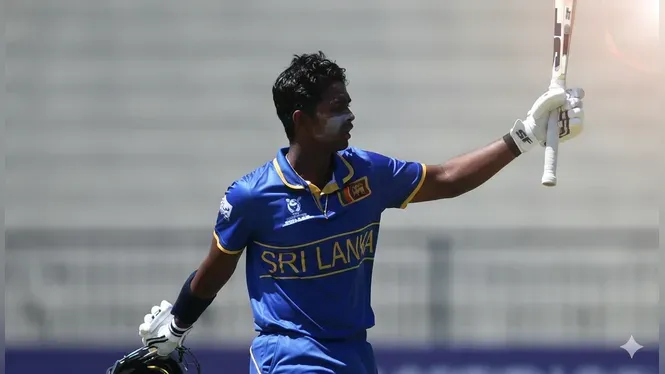
Sri Lankan opener Viran Chamuditha made history at the ICC Under-19 Cricket World Cup 2026 with a thunderous 192 runs against Japan - the highest individual score ever recorded in ICC Under-19 Men's Cricket World Cup history. But behind the fireworks of Sri Lanka's 203-run victory lies an urgent question shaking the cricket world: does this record-breaking performance expose dangerous structural imbalances in youth cricket's premier global event?
The Record That Shook Windhoek
Chamuditha's innings rewrote the U19 World Cup record books during Sri Lanka's opening match in Windhoek on Sunday. The left-handed batsman demolished Japan's bowling attack with 22 boundaries and 9 sixes, surpassing all previous tournament benchmarks to register the highest individual score in the competition's history. His 152-ball masterclass formed the backbone of Sri Lanka's mammoth 387/4 total before Japan collapsed for just 184 runs in reply.
This wasn't merely a dominant performance - it was statistically unprecedented. The 203-run victory margin came after Chamuditha's individual score eclipsed previous records by nearly 30 runs. The opening partnership of 240 runs between Chamuditha and Dimantha Mahavithana also set a new benchmark as the highest ever Youth ODI partnership.
A Pattern of Mismatches Emerges
While cricket fans celebrate individual brilliance, analysts point to concerning patterns emerging from the tournament's early matches:
1. Historic Disparities: The U19 World Cup has witnessed 15 victories by 200+ runs since 1998, with 11 occurring in the last three editions alone
2. New Team Struggles: Associate nations like Japan, Canada, and Namibia have suffered defeats by 300+ runs four times since 2020
3. Batting Inflation: Six of the ten highest team totals in tournament history have come since 2018
The Development Dilemma
Cricket development experts argue these lopsided results create a double-edged sword for emerging nations:
"While exposure to top-tier teams is invaluable for developing cricketers," explains one ICC development coach, "repeated humiliations can demoralize young players and discourage cricket boards from investing in youth pathways."
Japan's captain Hayato Nakamura exemplified this challenge after the Sri Lanka match: "We prepared for two years, but facing bowlers with 130+ kph pace and batters who clear boundaries at will - this is a different level of cricket than we experience domestically."
Tournament Format Under Scrutiny
The current U19 World Cup structure groups 16 teams into four divisions, with only the top two from each group advancing to the Super Six stage. Critics argue this system creates three key issues:
1. Qualification Gaps: Many associate nations qualify through regional tournaments featuring limited high-level competition
2. Group Imbalances: Powerhouse teams often cluster in weaker groups, creating predictable blowouts
3. Knock-on Effects: Heavy defeats impact net run rates, effectively eliminating teams before crucial matches
Historical Context of Dominance
Chamuditha's record continues a trend of individual dominance against emerging teams:
- 2018: India's Shubman Gill scores 102* vs Papua New Guinea
- 2020: Bangladesh's Tanzid Hasan hits 116 vs Japan
- 2022: England's Tom Prest smashes 154* vs Canada
- 2024: Australia's Corey Wasley makes 143 vs Namibia
- 2026: Sri Lanka's Viran Chamuditha scores 192 vs Japan
These performances, while impressive individually, consistently come against cricket's developing nations rather than traditional rivals.
The Reform Proposals
As debate intensifies, cricket administrators are considering several structural changes:
Tiered Tournament System: Separate competitions for elite and developing nations with promotion/relegation
Pre-Tournament Qualifiers: Intensive training camps for associate nations before World Cup participation
Modified Formats: Group stage adjustments ensuring each team faces appropriate competition levels
Development Partnerships: Pairing associate nations with test-playing countries for coaching exchanges
Player Perspectives on Competitive Balance
Chamuditha himself acknowledged the complex nature of his achievement: "While I'm proud of my performance, we must ensure all teams can compete at this level. Cricket grows when more nations can challenge properly."
Indian captain Uday Saharan echoed this sentiment after his team's tense 18-run DLS victory over Bangladesh in Bulawayo where they defended 238 runs: "Close matches improve everyone's game. We learn more from 50-over thrillers than one-sided affairs."
Sri Lanka captain Vimath Dinsara added: "We're extremely satisfied with this statement win to start our campaign. It gives us tremendous confidence going forward in the tournament."
The Path Forward
ICC development manager William Glenwright confirms reforms are under consideration: "We're analyzing performance data from the last four U19 World Cups. Our goal is preserving the tournament's competitive integrity while ensuring meaningful development opportunities for all participants."
Proposed changes could include:
- Regional qualification tournaments with ICC high-performance coaches
- Revised grouping based on Elo-style rankings rather than geography
- Mandatory A-team tours for associate nations before World Cup participation
Beyond the Scorecards
While Chamuditha's 192 will dominate highlight reels, cricket administrators hope future tournaments produce different kinds of records:
- Most competitive matches in a single edition
- Highest percentage of games decided in final overs
- Record number of nations reaching knockout stages
As the 2026 tournament progresses, all eyes will be on how Japan and other developing nations respond to their challenging starts - and whether cricket's governing body can turn this moment of imbalance into an opportunity for meaningful reform.
The true legacy of Chamuditha's historic innings may ultimately be measured not in runs scored, but in how it reshapes youth cricket's global landscape for generations to come.