Mohammed Siraj as Captain: How Fast Bowler Leadership Could Reshape Hyderabad's Ranji Trophy Strategy
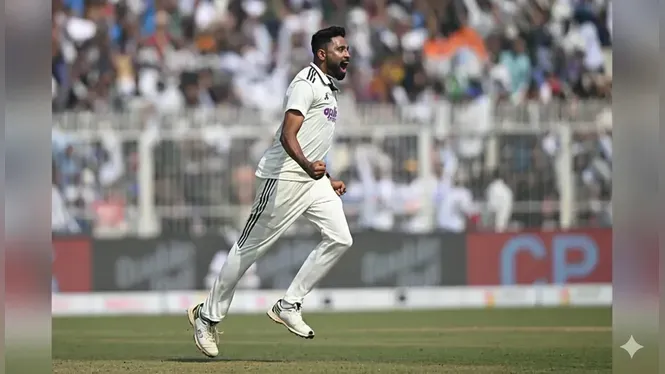
In a bold move shaking traditional cricket norms, Hyderabad has appointed frontline fast bowler Mohammed Siraj as captain for the 2025-26 Ranji Trophy season. This landmark decision marks the first time in recent memory that a specialist pace bowler will lead the state team, signaling potential tactical shifts in one of India's most prestigious domestic tournaments.
The Problem: Batting-Dominated Leadership in Indian Domestic Cricket
Indian domestic cricket has historically favored batsmen and all-rounders for captaincy roles, creating an inherent tactical imbalance. Teams typically develop strategies centered around batting strengths, often at the expense of maximizing bowling potential. This trend becomes particularly evident in pitch preparation, field placements, and bowling rotation patterns.
Hyderabad's previous campaigns demonstrated this systemic issue. Despite possessing quality pace options, the team frequently struggled to deploy aggressive bowling strategies at crucial match moments. Captains with batting orientations often defaulted to defensive field settings and conservative declarations, potentially costing valuable first-innings leads and outright victories.
The Solution: Siraj's Bowling Mindset as Tactical Catalyst
Siraj's appointment directly addresses Hyderabad's need for bowling-centric leadership. As India's premier fast bowler in international cricket, the right-arm speedster brings an attacker's mentality to the captaincy role. His deep understanding of pace bowling rhythms could revolutionize Hyderabad's approach in three key areas:
1. Aggressive Field Placements
Expect Hyderabad to employ more attacking field setups during opposition batting innings. Slip cordons may feature additional catchers, while innovative in-field positions could challenge batters accustomed to conventional domestic setups. Siraj's experience dismissing world-class batsmen provides unique insights into creating pressure through field positioning.
2. Pitch Preparation Philosophy
Traditionally batting-friendly surfaces at Hyderabad's home ground may undergo strategic transformations. The new captain's influence could see curators preparing pitches with more grass cover and lateral movement potential - conditions where Siraj's pace attack can maximize their threat. This shift would particularly benefit Hyderabad's upcoming fixtures against Mumbai and Chhattisgarh scheduled for January 22 and 29 respectively.
3. Bowling Rotation & Spell Management
Siraj's firsthand experience managing bowling workloads across formats provides Hyderabad with tactical advantages. His captaincy should optimize bowling changes based on pitch conditions and batter weaknesses rather than rigid pre-planned rotations. Expect more flexible use of strike bowlers during critical phases and creative deployment of support bowlers to build pressure.
Strategic Implications for Hyderabad's Campaign
The timing of Siraj's maiden captaincy stint coincides with Hyderabad's crucial phase in the Ranji Trophy calendar. With two remaining home fixtures against Mumbai and Chhattisgarh, the fast bowler's leadership could immediately impact the team's qualification chances. His appointment suggests selectors prioritize tactical innovation over conventional safety as they build toward the 2025-26 season.
Hyderabad's bowling attack stands to benefit most from this leadership shift. Young pace prospects will operate under a captain who understands fast bowling mechanics, workload management, and psychological demands. This environment could accelerate development of Hyderabad's next generation of quicks while improving overall bowling unit cohesion.
Challenges of Fast Bowler Captaincy
While Siraj's appointment offers exciting possibilities, it also presents unique challenges. Fast bowling captains must carefully balance their playing workload with leadership responsibilities - a complex task during multi-day matches. Additionally, Siraj will need to adapt his naturally aggressive bowling mindset to broader tactical considerations encompassing batting strategies and fielding setups.
The Hyderabad Cricket Association appears confident in Siraj's ability to manage these dual responsibilities. His international experience handling high-pressure situations provides a foundation for captaincy success, while his deep understanding of domestic cricket structures offers crucial context for strategic decision-making.
Historical Context & Domestic Cricket Trends
Siraj's appointment breaks from Hyderabad's traditional captaincy patterns, where leadership typically went to top-order batsmen or wicketkeeper-captains. This move aligns with emerging global trends recognizing fast bowlers' tactical value as leaders, as demonstrated by Pat Cummins' successful Test captaincy for Australia.
The decision reflects growing acknowledgment that bowlers offer unique perspectives on match situations, particularly in breaking partnerships and controlling game tempo. If successful, Siraj's captaincy could inspire other state teams to reconsider traditional leadership models in India's domestic circuit.
Fan Expectations & Team Morale Impact
Local supporters anticipate Siraj's aggressive international bowling style will translate into proactive captaincy decisions. His reputation for relentless intensity could boost team morale during difficult match situations, while his stature as World Cup-winning India player commands immediate dressing room respect.
The leadership change arrives at a critical juncture for Hyderabad cricket. After inconsistent performances in recent seasons, Siraj's appointment signals ambitious intent from team management. His presence could attract larger crowds to domestic matches and increase media attention on Hyderabad's Ranji Trophy campaign.
Long-Term Development Vision
Beyond immediate results, Hyderabad's decision carries significant developmental implications. By appointing a fast bowling captain, the state association encourages young pace talents to aspire toward leadership roles traditionally reserved for batsmen. This cultural shift could strengthen Hyderabad's pace bowling pipeline and create more balanced team compositions in future seasons.
Siraj's captaincy tenure will be closely monitored by national selectors as well. Success in this role could position him as a future leadership candidate for India A teams or touring squads, adding another dimension to his already impressive cricketing resume.
The Road Ahead: Mumbai & Chhattisgarh Tests
Hyderabad's immediate challenge comes in their remaining home fixtures against powerhouse Mumbai and rising contenders Chhattisgarh. These matches provide early opportunities to implement Siraj's tactical vision against varied opposition. The Mumbai encounter particularly offers a high-profile platform to showcase Hyderabad's new aggressive approach under fast bowling leadership.
Team selection for these crucial matches will reveal initial indications of Siraj's strategic preferences. Watch for increased pace bowling options in the squad and potential batting order adjustments designed to capitalize on favorable bowling conditions. How Hyderabad manages declarations and fourth-innings chases will offer further insights into their new tactical identity.
Conclusion: A Watershed Moment for Domestic Cricket
Mohammed Siraj's appointment as Hyderabad captain represents more than routine leadership change - it challenges decades of batting-dominated captaincy traditions in Indian domestic cricket. His success could redefine strategic approaches across the Ranji Trophy circuit, encouraging teams to leverage bowling strengths as central tactical components rather than supportive elements.
As Hyderabad prepares for their upcoming matches against Mumbai and Chhattisgarh, all eyes will be on how Siraj translates his world-class bowling pedigree into leadership decisions. This bold experiment could either revolutionize captaincy approaches in Indian cricket or reinforce traditional biases against fast bowling leaders. Regardless of outcome, Hyderabad's willingness to break convention deserves recognition in a sport often resistant to tactical innovation.