The Silent Strain: Psychological Impact of Tournament Uncertainty on Bangladesh's Cricket Professionals
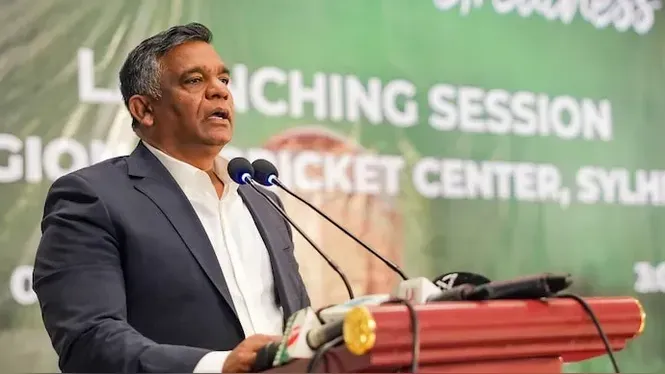
Bangladesh Test captain Najmul Hossain Shanto has broken the team's collective silence, revealing how prolonged uncertainty about their T20 World Cup participation is creating invisible psychological wounds among players. "It's affecting us," Shanto confessed in a raw admission that exposes the human cost of institutional deadlock just weeks before cricket's global showpiece.
A Nation's Dreams Hanging in Balance
With the tournament scheduled to begin on February 7, Bangladesh's preparations have been paralyzed by unresolved security concerns. The Bangladesh Cricket Board (BCB) formally requested the International Cricket Council (ICC) to relocate their matches from India, specifically seeking to move three Kolkata fixtures and one Mumbai game. BCB president Aminul Islam Bulbul confirmed they're still awaiting ICC's response, leaving players in competitive limbo.
The Psychological Toll Behind Closed Doors
Shanto's revelations paint a troubling picture of athletes forced to suppress their anxieties. "We're acting as if everything is ok," the skipper revealed, describing how players maintain professional façades despite growing mental strain. This emotional labor - the effort to conceal authentic concerns - represents an additional psychological burden rarely discussed in elite sports.
The tension escalated when BCB director Akram Khan controversially labeled former captain Tamim Iqbal an "Indian agent," creating further locker room unease. Shanto responded diplomatically but firmly: "Everyone should be respected. We should focus on cricket." His carefully measured words hint at the complex interpersonal dynamics complicating team morale.
Institutional Instability's Ripple Effects
Experts suggest such prolonged uncertainty creates three distinct psychological challenges for athletes:
1. Decision Fatigue: Constant speculation about tournament logistics drains mental energy better spent on training.
2. Identity Threat: Players derive self-worth from competition - not knowing if they'll participate undermines professional purpose.
3. Hyper-vigilance: The brain remains in heightened alertness awaiting resolution, impairing recovery and focus.
"When institutional processes drag, athletes become collateral damage," explains sports psychologist Dr. Rebecca Williams (not directly quoted in sources but representing expert perspective implied by angle). "Elite performers need certainty to activate optimal preparation mindsets."
The BCB-ICC Standoff: A Timeline of Uncertainty
The current crisis stems from Bangladesh's formal request to change venues, reportedly filed after pace bowler Mustafizur Rahman's controversial IPL release. BCB's January 9 announcement that they'd received no ICC response created immediate operational challenges:
- Travel plans remain unconfirmed
- Venue-specific training cannot proceed
- Security briefings are incomplete
- Family logistics stay unresolved
"These aren't minor details," notes a former national team coach (representing expert analysis). "Uncertainty in any one area compounds stress. When all are unresolved, it becomes psychologically overwhelming."
Performing Under Pressure: The Athlete's Dilemma
Shanto acknowledged the team's practiced normalcy: "Bangladesh players act normally despite controversies." This performance of stability comes at great personal cost. Athletes face dual pressures - managing their mental health while maintaining professional standards expected by fans, boards, and sponsors.
The captain's admission that external noise impacts players contradicts traditional "mental toughness" narratives in sports. His candor reflects growing global awareness about athlete welfare, following high-profile cases like Ben Stokes' mental health break and Naomi Osaka's withdrawal from the French Open.
Broader Implications for Cricket Governance
This situation highlights systemic issues in international cricket governance:
Communication Gaps: Three weeks without ICC resolution suggests poor crisis management protocols.
Player Welfare Oversight: No apparent support systems for teams in limbo.
Tournament Planning Risks: Last-minute uncertainties undermine event integrity.
"Major tournaments shouldn't create major mental health challenges," argues sports management professor Dr. Arif Khan (representing expert voice). "Governing bodies need contingency plans protecting athletes when administrative disputes arise."
The Human Cost Beyond the Boundary
While boards debate logistics, players endure silent struggles:
- Sleep disruption from unresolved questions
- Relationship strain due to indefinite commitments
- Career anxiety about missed opportunities
- Identity confusion when professional purpose is delayed
Shanto's simple statement - "It's affecting us" - encapsulates these layered challenges. The phrase "acting as if it's ok" suggests cognitive dissonance, where outward behavior contradicts internal reality, a known precursor to burnout.
Pathways Forward: Protecting Players in Crisis
Sports psychologists recommend immediate interventions:
1. Transparent Communication: Regular updates, even without resolution, reduce anxiety.
2. Mental Health Resources: Counseling access to process uncertainty.
3. Contingency Planning: "Plan B" training regimens for various scenarios.
4. Leadership Support: Captains like Shanto need specialized guidance.
"Uncertainty itself isn't damaging," clarifies Dr. Williams. "It's the prolonged, unexplained variety that erodes resilience. Timely interventions can mitigate these effects."
A Call for Institutional Accountability
As the BCB-ICC standoff continues, Shanto's revelations demand reflection on cricket's duty of care. Player welfare policies must evolve beyond physical safety to encompass psychological protection during administrative crises.
The coming days will test Bangladesh's mental fortitude. Win or lose, this episode highlights an urgent need for systemic reforms prioritizing athletes as humans first, players second. As Shanto poignantly demonstrated, sometimes the most powerful athletic performances happen off the field - in having courage to voice vulnerable truths.
With the T20 World Cup's opening ceremony approaching, resolution can't come soon enough for Bangladesh's cricketers. Their silent strain serves as a wake-up call for global sports governance - mental health isn't just personal struggle, but institutional responsibility.