BCCI's Revenue vs Readiness: The Hidden Cost of India's Packed Test Calendar

Cramped Calendars Threaten Cricket's Crown Jewel
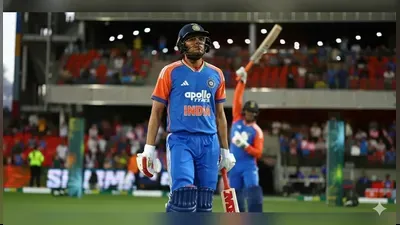
Indian captain Shubman Gill has sounded the alarm bells over the national team's shrinking preparation time for Test cricket, exposing the growing tension between cricket's commercial engines and its most revered format. As India prepares to face New Zealand in white-ball matches starting January 11, Gill's candid revelations spotlight how broadcast commitments and franchise obligations are compromising red-ball readiness.
The Preparation Crisis in Numbers
Recent home series against West Indies and South Africa saw Indian players transition from white-ball assignments to Test matches with less than a week's preparation - a dangerously narrow window for adapting to Test cricket's unique demands. This scramble comes despite Test matches generating 38% of BCCI's media rights value in the 2023-27 cycle, highlighting the paradox of commercial success undermining sporting excellence.
Gill's Battle Cry for Breathing Room
"Preparation for me is really big," declared the Indian skipper ahead of the New Zealand ODIs, articulating a growing concern among players. Gill's roadmap for India's Test resurgence hinges on creating adequate transition periods when switching formats. His comments follow disappointing performances where players moved directly from T20 leagues to Test matches without proper red-ball practice.
The Financial Engine Driving Fixture Congestion
Industry analysts suggest the relentless scheduling stems from overlapping financial imperatives:
- Broadcast contracts requiring minimum annual matches
- IPL franchise commitments to player availability
- Revenue targets from multi-format bilateral series
This commercial machinery has created a calendar where India will play 18 international series across formats between 2024-2026, leaving minimal gaps for skill conversion between white-ball and red-ball cricket.
New Zealand Series Highlights Scheduling Paradox
As fans check where to watch the 2026 New Zealand tour (spanning three ODIs and five T20Is), the absence of Test matches speaks volumes. The limited-overs focus caters to broadcast-friendly prime-time slots while Test matches get pushed to less lucrative windows. This commercial calculus directly impacts preparation time, with players often needing to abruptly switch formats based on tour requirements.
The Ripple Effects on Team Performance
Gill's concerns about inadequate preparation manifest in tangible performance drops:
- Reduced time for pitch-specific strategy sessions
- Insufficient recovery periods between formats
- Limited opportunity for technical adjustments
"We didn't have much time to prepare," Gill admitted regarding recent Test performances, dismissing theories about dressing room discord while highlighting scheduling as the root cause.
The Road Ahead: Commerce vs Craft
As India gears up for their Kiwi challenge starting in Vadodara, the scheduling debate reaches critical mass. Gill's advocacy for "breathing space" between formats presents BCCI with complex trade-offs:
- Potential revenue loss from reduced fixtures
- Logistical challenges in creating training windows
- Balancing player workloads across club and country
The solution may lie in structural reforms - dedicated red-ball training camps, strategic resting during less critical white-ball series, and coordinated calendar planning with IPL franchises.
A Test for Cricket's Soul
With India's next Test assignment looming, the BCCI faces mounting pressure to address what players describe as preparation bankruptcy. As broadcast partners promote where to watch live coverage of the New Zealand ODIs, the real battle happens off-screen - between cricket's financial ambitions and its technical necessities. How India navigates this tension will shape not just their Test future, but the very soul of the traditional game.
The Global Implications
India's scheduling crunch reflects a worldwide pattern where England and Australia similarly juggle packed calendars. With the World Test Championship points at stake, nations risk compromising their premier format's integrity for short-term gains. Gill's vocal stance could inspire similar calls for change across cricketing nations.
Fan Engagement at Crossroads
While casual viewers check live streaming options for the NZ T20Is, traditional fans worry about Test cricket's erosion. The BCCI must balance engaging newer audiences through shorter formats while preserving Test cricket's technical depth that demands proper preparation - a dilemma requiring nuanced solutions beyond mere fixture quantity.
Conclusion: Time for Scheduled Reform
As Shubman Gill leads India against New Zealand in limited-overs cricket, his warnings about Test preparation linger like an unplayed forward defense. The coming months will reveal whether cricket administrators can recalibrate their schedules to nurture Test cricket's unique demands, or if the format will gradually suffocate under commercial pressures. For now, players continue adapting - not just to opposition bowlers, but to an unforgiving calendar that leaves little room for cricket's oldest form to breathe.