Beyond the Scoreboard: How India-Bangladesh U19 Tension Reflects Growing Subcontinental Rivalry
Toss Controversy Sets Stage for Heated Encounter
The ICC Under-19 World Cup 2026 clash between India and Bangladesh began with fireworks before a single ball was bowled at Queens Sports Club in Bulawayo on January 17, 2026. Captains Ayush Mhatre of India and his Bangladeshi counterpart engaged in a visibly tense toss ceremony after Bangladesh won the toss and opted to field first. Body language experts noted prolonged eye contact and curt responses during the exchange, foreshadowing one of the tournament's most emotionally charged encounters.
Rain Interrupts High-Stakes Battle
When play finally commenced, weather became an uninvited guest. India's innings faced multiple interruptions after a rocky start, forcing Duckworth-Lewis calculations that revised Bangladesh's target to 165 runs from 29 overs. The stop-start nature amplified pressure on both sides, with players frequently retreating to dressing rooms where competitive tensions reportedly simmered off-field.
Young Stars Shine Through Storm Clouds
Amidst the atmospheric and competitive storms, individual brilliance emerged. Eighteen-year-old pacer Henil Patel followed his five-wicket haul against USA with another impactful performance. Teenage batting prodigy Vaibhav Sooryavanshi displayed remarkable composure under pressure during his vital knock that anchored India's innings, earning post-match praise from captain Ayush Mhatre who hailed his teammate's maturity. Bangladesh eventually broke through with Sooryavanshi's dismissal, while their fielding excellence produced what commentators described as "an absolute stunner" to dismiss Chouhan, showcasing the rising standards in youth cricket.
Vihaan Malhotra Seals Tense Victory
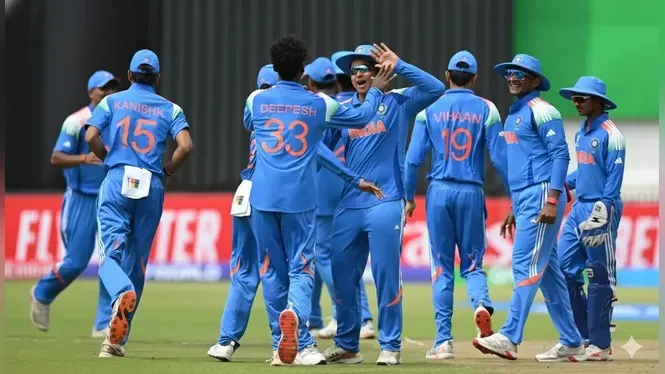
The match reached its climax through Vihaan Malhotra's career-defining spell. His superb figures of 4/14 demolished Bangladesh's middle order, eventually bowling them out for 146 in the rain-affected contest chasing a revised target of 165. The 18-run victory margin belied the psychological warfare unfolding between these young cricketers, with every boundary and wicket celebrated with unusual intensity.
Post-Match Snub Writes New Chapter in Rivalry
As players converged for customary handshakes, cameras captured Bangladesh's captain pointedly avoiding Mhatre during the ritual. This deliberate snub immediately went viral, drawing comparisons to senior-team tensions during events like the 2018 Nidahas Trophy final and 2015 World Cup quarterfinals. Cricket historians noted this marked the first such incident at U19 level between these nations.
Historical Context of Indo-Bangla Cricket Relations
The day's events didn't occur in isolation. India and Bangladesh's cricket rivalry has intensified dramatically since Bangladesh's ascension to Test status in 2000. Memorable flashpoints include:
- The 2007 World Cup upset where Bangladesh eliminated India
- 2015 World Cup quarterfinal's "No-ball Controversy"
- 2016 T20 World Cup's last-ball thriller
- 2018 Asia Cup final's dramatic finish
This U19 clash suggests the next generation is inheriting both their seniors' competitive fire and lingering resentments.
Development Pathways Diverge
Cricket analysts highlight contrasting approaches shaping this rivalry. India's robust domestic structure produces technically sound players comfortable in high-pressure situations. Bangladesh's "fight-first" philosophy emphasizes aggressive cricket, producing talents unafraid to challenge established hierarchies. These philosophical differences manifested throughout the Bulawayo contest.
Impact on Future Bilateral Relations
The incident raises questions about future India-Bangladesh U19 engagements. ICC officials face balancing act - maintaining competitive spirit while preventing youthful passion from spilling into animosity. With several players from both sides likely to graduate to senior teams within 2-3 years, this rivalry could define international cricket's next decade.
Broader Implications for Youth Cricket
Psychologists warn that hyper-competitive environments risk burning out young athletes. Former India U19 captain Unmukt Chand commented: "We must remember these are teenagers representing nations. The line between healthy rivalry and unhealthy pressure needs careful monitoring." The tournament context intensified as Sri Lanka simultaneously recorded a massive triumph over Japan where records tumbled, underscoring the competitive gap between cricket nations.
Looking Ahead: Rivalry's World Cup Implications
With both teams progressing in the tournament, potential knockout-stage rematches loom large. Cricket strategists suggest India might leverage their deeper bench strength, while Bangladesh could channel perceived disrespect as motivation. How these young men handle mounting pressures will test their maturity and shape their careers.
The New Normal in Subcontinental Cricket?
This match may represent a watershed moment. Traditional India-Pakistan tensions now have company in India-Bangladesh contests, creating a triangular rivalry dynamic across South Asia. As Bangladesh's cricket economy grows and their youth programs mature, these clashes promise higher stakes and greater intensity in coming years.
Lessons Beyond Boundary Lines
Ultimately, the Bulawayo incident offers reflection points for cricket administrators worldwide. Managing player emotions in age-group cricket, setting respectful competition standards, and preparing youngsters for international pressures emerge as critical challenges. How the ICC and national boards respond could redefine youth sports development globally.