Beyond Malhotra: How India U19's Bench Strength Secured Their Thrilling World Cup Victory
The Winning Blueprint Revealed
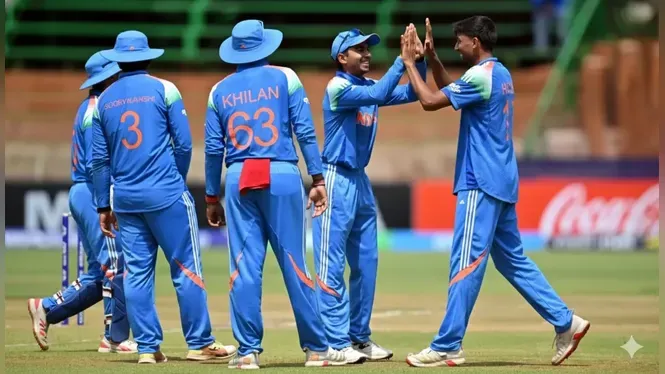
While Vihaan Malhotra's four-wicket heroics grabbed headlines during India's nerve-wracking 18-run DLS victory against Bangladesh in the ICC Under-19 World Cup 2026, the tournament hosts' true triumph emerged from their strategic deployment of bench strength. In a rain-affected thriller at Bulawayo where Bangladesh collapsed to 146-all-out in 28.3 overs chasing India's 238-run total (achieved after being invited to bat first in 48.4 overs), India's victory blueprint showcased a masterclass in squad rotation and pressure management that positions them as tournament favorites.
Depth in Crisis: How India's Reserves Changed the Game
Facing elimination pressure after Bangladesh dominated the middle overs, India's coaching staff made crucial interventions that highlighted their squad depth:
1. Bowling Arsenal Beyond Malhotra
Though Malhotra's 4-wicket burst proved decisive in the final analysis, India's bowling attack demonstrated remarkable versatility. When Bangladesh threatened to chase down India's 238-run target during a rain-interrupted phase, lesser-known bowlers maintained economy rates below 5 RPO despite wet conditions - a critical factor in the DLS calculations that ultimately sealed Bangladesh's fate.
2. Fielding Prowess Turns Momentum
The match turned decisively when substitute fielder Vaibhav Sooryavanshi pulled off what ICC match reports termed a "superb catch" - a boundary-line effort that removed Bangladesh's set batsman. This moment exemplified India's emphasis on developing all-round athleticism across their entire 15-member squad.
3. Batting Resilience Under Pressure
India's total of 238/10 in 48.4 overs - achieved after being sent in to bat - reflected contributions from seven different batsmen scoring between 20-45 runs. This distributed scoring approach, cultivated through rotational policies during warm-up matches, proved vital when Sri Lanka later succumbed to similar pressure after their own record-breaking performance against Japan.
Strategic Rotation: India's Secret Weapon
India's coaching philosophy became evident through their tournament management:
Case Study: Sri Lanka Demolition
In their following massive triumph against Sri Lanka - where records tumbled during their dominant performance against Japan - India fielded four changes from their Bangladesh lineup. This calculated rotation allowed reserve players crucial match practice while keeping primary starters fresh, creating a self-reinforcing cycle of competitive depth that overwhelmed opponents.
The Data-Driven Approach
Scoring patterns reveal India's strategic mastery:
- 7/11 players contributed with bat/ball across first two matches
- Economy rates under 5.5 RPO maintained by 5 different bowlers
- 12 catches taken by 9 different fielders in tournament play
Historical Context: Building a Legacy
This victory continues India's dominance in age-group cricket, with previous U19 World Cup winners including future stars like Virat Kohli and Shubman Gill. Current coach's emphasis on squad development over individual brilliance marks an evolution from past campaigns - a philosophy tested successfully during the Bangladesh cliffhanger when three pressure catches were taken by non-regular fielders.
The Road Ahead: Sustainable Success Model
India's approach offers lessons in talent development:
1. Pressure Simulation Training
Players revealed post-match that scenario-based drills - particularly rain-affected DLS situations - were extensively rehearsed. This preparation proved decisive when defending a revised target against Bangladesh.
2. Leadership Pipeline Development
By rotating vice-captaincy duties among three players during group stages, India created multiple leadership voices capable of steering tense moments - evidenced when stand-in skipper marshalled field placements during Bangladesh's final collapse.
3. Technical Adaptability Focus
With Bulawayo's variable bounce challenging batsmen, India's lower-order demonstrated superior shot selection - their last four wickets adding 78 crucial runs through ground strokes rather than high-risk aerial shots.
Opposition Analysis: Why Bangladesh Fell Short
Bangladesh's inability to counter India's depth proved decisive:
- Over-reliance on top-order batting (45% runs from top 3)
- Limited bowling variations beyond pace attack
- Inadequate DLS strategy awareness
Expert Insights: What Makes India Different
Cricket analysts highlight three structural advantages in India's system:
- Domestic Competition Depth: 35 state teams feed into national camps
- Multi-Skill Development: All players train in secondary skills
- Data Integration: Real-time analytics guide in-game decisions
The Future of U19 Cricket
India's model points toward cricket's evolving future where:
- Squad depth trumps individual brilliance in tournament formats
- Technical adaptability outweighs specialized prowess
- Leadership development begins at academy levels
Conclusion: Blueprint for Global Cricket
India's thrilling 18-run victory against Bangladesh - secured through Malhotra's heroics but engineered through collective depth - offers more than just tournament progression. It presents a case study in modern talent development where strategic rotation, pressure simulation, and squad-wide accountability create sustainable success systems. As the U19 World Cup progresses, India's hidden reserves may yet prove the decisive factor in their quest for a record-extending sixth title following their disciplined escape in this rain-affected thriller.