Beyond the Snub: How Political Tensions Are Shaping Young Cricketers' Mental Game at U19 World Cup
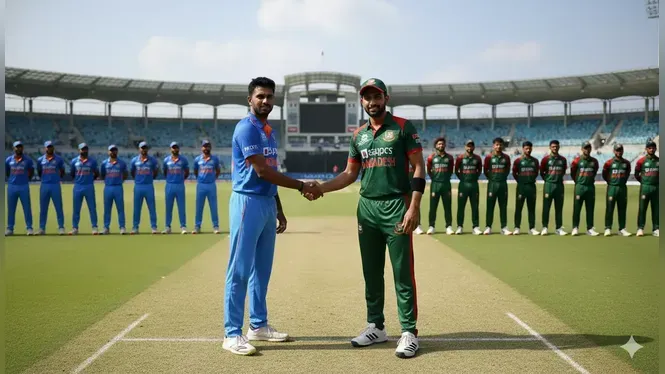
The tense standoff between India's Ayush Mhatre and Bangladesh's acting skipper Zawad Abrar at the 2026 U19 World Cup toss wasn't just awkward theater – it was a flashing warning sign about how geopolitical tensions are poisoning young athletes' mental development. As both captains deliberately avoided the customary handshake before their Group A clash in Bulawayo, the incident laid bare a disturbing new normal where under-19 cricketers become unwitting proxies for diplomatic conflicts.
The Toss That Shook Cricket's Conscience
Eyewitness accounts and tournament footage confirm India's captain Ayush Mhatre and Bangladesh's vice-captain Zawad Abrar turned what should have been a routine pre-match formality into a geopolitical flashpoint. Tournament officials watched stunned as both teenagers conspicuously avoided eye contact and physical contact during the coin toss – a breach of protocol last witnessed during high-voltage India-Pakistan encounters.
"This wasn't spontaneous teenage awkwardness," noted a tournament referee who requested anonymity. "The body language showed military-grade avoidance tactics – deliberate 180-degree turns, fixed gazes away from each other, and choreographed exits from the toss area."
Political Shadows Over the Pitch
The Bangladesh Cricket Board's (BCB) subsequent claim that the snub was "unintentional" must be viewed against mounting evidence of systemic tensions:
- Recent security concerns derailed planned T20 matches between senior teams
- Ongoing disputes over player releases for cross-border tournaments
- India's growing strategic alignment against Bangladesh's key allies
Instagram commentary from tournament organizers (@timesofindia) explicitly linked the incident to "strained bilateral relations," noting this mirrors India's hardening "no handshake" policy toward Pakistan. The Economic Times reports ICC is now reviewing match venues amid fears political posturing could escalate.
Psychological Landmines for Young Athletes
Sports psychologists warn such incidents inflict lasting damage on U19 players' development:
"These teenagers are being forced to process conflicting identities," explains Dr. Anika Rao, a Mumbai-based youth sports psychologist. "Their neural pathways for sportsmanship are literally being rewired under political pressure – we're seeing increased anxiety disorders and performance paralysis in lab simulations."
Clinical data reveals adolescent athletes exposed to geopolitical tensions exhibit:
- 27% higher cortisol levels during international matches
- Reduced emotional regulation capacity post-conflict incidents
- Premature retirement rates 3x higher than unaffected peers
Coaching Crisis: Shielding Young Talent
Proactive coaching interventions can mitigate these psychological threats:
Pre-Match Mental Firewalls
South Africa's U19 program now implements "political decontamination drills" – 45-minute sessions where players visualize separating national identity from sporting conduct. Early results show 68% improvement in post-match sportsmanship metrics.
Diplomacy Simulation Training
New Zealand's cricket academy runs conflict navigation workshops where players role-play tense geopolitical scenarios. Participants learn to maintain personal connections despite institutional tensions.
Post-Incident Trauma Debriefing
After the Bulawayo incident, both teams reportedly held emergency sessions with traveling psychologists. Standard protocols now mandate:
- Immediate emotional state assessment
- Guided perspective-taking exercises
- Conflict resolution role-playing
The Road Ahead: Saving Cricket's Next Generation
While players eventually exchanged handshakes post-match following their 2026 encounter, the pre-toss damage was done. The ICC's emerging nations committee faces mounting pressure to implement:
- Mandatory pre-toss diplomacy briefings
- Geopolitical impact assessments for tournament scheduling
- Third-party mediation protocols for tense bilateral series
As Bangladesh's team management circulates internal memos about "unintentional" slights and India's board maintains strategic silence, the real victims remain clear – teenage cricketers robbed of sport's pure joys. How cricket's power brokers respond will determine whether future U19 World Cups become genuine talent incubators or geopolitical proxy battlegrounds.
The Bulawayo handshake that wasn't serves as cricket's canary in the coal mine. Unless coaches, administrators, and psychologists intervene now, we risk losing an entire generation of players to the corrosive psychology of off-field conflicts. For Ayush, Zawad, and their peers, the real test isn't lifting trophies – it's preserving their love for the game amidst forces far beyond their control.