World Cup 2027 Preparation Begins: How Shami's ODI Absence Fits Into India's 4-Year Bowling Strategy
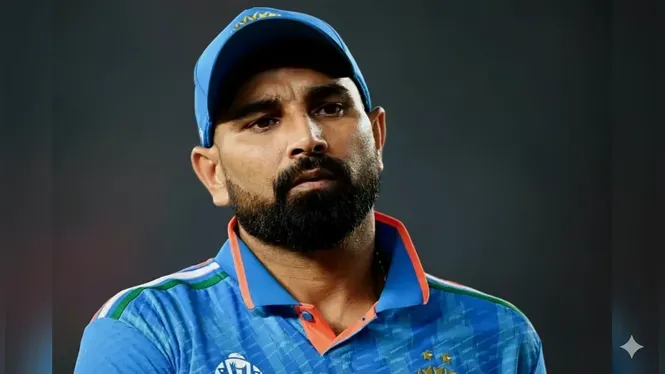
Indian cricket's selection committee has ignited fierce debate by omitting veteran pacer Mohammed Shami from the ODI squad against New Zealand, a move childhood coach Badruddin Siddiqui calls "deliberate exclusion." But behind the emotional reactions lies a calculated long-game - India's structured transition toward the 2027 World Cup that prioritizes Siraj's development, manages veteran workloads, and bloods new pace talents.
The Strategic Exclusion That Sparked Outrage
Shami's childhood coach launched a scathing attack on chairman Ajit Agarkar's panel after the 33-year-old was overlooked despite stellar domestic performances. "They do not want him in the ODI team," Siddiqui declared, echoing fan frustrations. Yet senior spinner Ravichandran Ashwin provided context: "Shami's ODI snub was expected when you see our future roadmap."
Siraj Ascendant: The New Pace Spearhead
Ashwin's public backing of Mohammed Siraj reveals India's central planning pillar. The 29-year-old Hyderabad quick is being groomed as India's 2027 pace leader through increased responsibility. "Siraj isn't just replacing Shami - he's being positioned as the attack's cerebral core," explains a BCCI insider. This transition mirrors Australia's handling of Mitchell Starc's workload management during transitional phases.
The 2027 Bowling Architecture Takes Shape
India's selection patterns since the 2023 World Cup final loss reveal three structural priorities:
1. Workload Management: Shami (33), Jasprit Bumrah (30) and Mohammed Siraj (29) won't play identical formats. "We need Shami's Test experience and Bumrah's T20 prowess intact for 2027," a selector noted anonymously.
2. Youth Integration: Uncapped pacers like Vidwath Kaverappa and Yash Dayal are being fast-tracked through India A tours, with IPL performances no longer the sole selection metric.
3. Multi-Dimensional Skills: The search intensifies for bowlers who bat (like Shardul Thakur) and field athletically - prerequisites for 2027's likely flat tracks.
Veterans in the Transition Era
Shami's situation reflects India's delicate veteran management. While his ODI absence seems abrupt, sources confirm he remains integral to Test plans through 2025. "This isn't retirement planning," stresses bowling coach Paras Mhambrey. "It's about optimizing Shami's remaining peak years for prioritized formats."
The blueprint draws lessons from past cycles. Zaheer Khan's managed 2011-2015 fadeout allowed Bhuvneshwar Kumar's emergence, while incorrect handling of Ashish Nehra's career saw India enter the 2019 World Cup with untested pace options.
Global Precedents Inform Indian Strategy
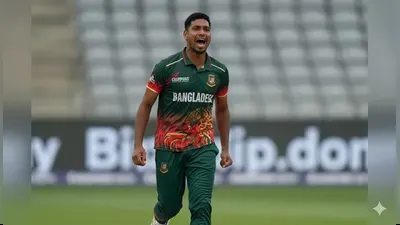
England's 2015-2019 ODI rebuild provides the closest template. By gradually phasing out James Anderson/Stuart Broad after the 2015 debacle, they developed Jofra Archer, Mark Wood, and Chris Woakes into 2019 champions. Similarly, India appears willing to absorb short-term criticism for long-term gains. Recent cricket diplomacy tensions highlight how nations increasingly weaponize sports relations during transitional phases, exemplified by Bangladesh banning IPL 2026 broadcasts after Mustafizur Rahman's removal from Kolkata Knight Riders. "For every action, there is a reaction," remarked a former BCCI official regarding the ban, which came amid Bangladesh's request to relocate their 2026 T20 World Cup matches from India over security concerns.
"Fans forget that Shami himself was a World Cup rookie in 2015," Ashwin reminded critics. "Today's newcomers are tomorrow's spearheads." Data supports this - since 2021, Siraj has better ODI economy (4.81) than Shami (5.12) in middle overs, crucial for 2027's expected batting-friendly rules.
The Fan Dilemma: Present Pain vs Future Gain
This strategic pivot creates friction with supporters emotionally invested in established stars. Social media outcry followed Shami's exclusion, with #JusticeForShami trending. Yet analysts urge perspective: "When MS Dhoni dropped seniors before the 2011 World Cup, fans revolted too. That worked out okay," quipped statistician Mohandas Menon.
The BCCI's challenge remains communication. Unlike England's transparent "New Era" campaign before their 2015 reset, India's selections arrive without explanatory narratives, fueling speculation. "We prefer performances to do the talking," a board official defended when pressed.
Beyond Siraj: Identifying the 2027 Pace Battery
Scouting networks are actively monitoring three pace prototypes:
- The Enforcer: Umran Malik (raw pace) and Kuldeep Sen (steep bounce) project as middle-over wicket-takers.
- The Swing Merchant: Left-armer Arshdeep Singh leads this category, with Punjab's Siddarth Kaul monitored for white-ball swing.
- The Death Specialist: Mumbai's Tushar Deshpande and Rajasthan's KM Asif are being groomed for yorker mastery.
Spin planning appears more settled, with Ravindra Jadeja likely mentoring successors like Axar Patel and Washington Sundar through 2027.
The Verdict: Calculated Gamble or Premature Axing?
History will judge whether Shami's ODI sidelining proves visionary or myopic. For now, selectors bet on two truths: Siraj's ceiling remains higher than his current output, and Shami's skills won't evaporate overnight. "This isn't about discarding legends," concludes Ashwin. "It's about ensuring when 2027 arrives, we have multiple Shamis ready."
As India's think tank maps bowling trajectories toward South Africa 2027, fans must reconcile immediate expectations with four-year planning. The Mohammed Shami paradox epitomizes modern cricket's toughest equation - honoring past service while ruthlessly engineering future glory.