Mustafizur Rahman's Career Crossroads: How Bangladesh's T20 World Cup Withdrawal Impacts Star Pacer's Future
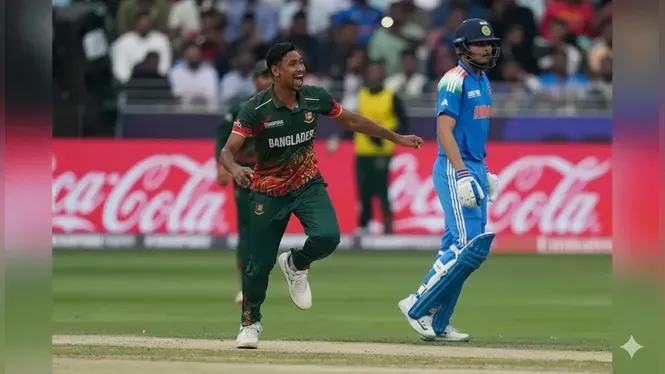
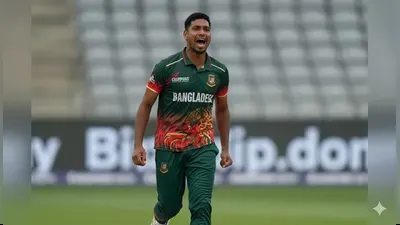
Bangladesh cricket's shock withdrawal from its scheduled three 2026 T20 World Cup matches in Kolkata next month has thrown star fast bowler Mustafizur Rahman's career into turmoil, exposing how geopolitical conflicts can derail elite athletes' professional trajectories. The controversial move - triggered by India's cricket board forcing Rahman's removal from the IPL and escalating into a full diplomatic crisis - creates a perfect storm of contract risks, endorsement value erosion, and mental health challenges for one of cricket's most promising talents.
The Perfect Storm: How Political Tensions Created a Career Crisis
IPL Expulsion Sets Crisis in Motion
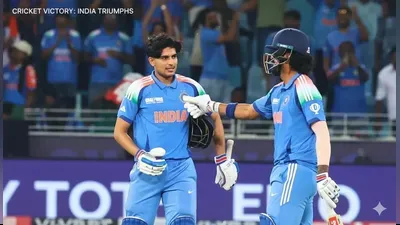
The Board of Control for Cricket in India (BCCI) ignited the firestorm by instructing Kolkata Knight Riders to release Mustafizur Rahman from their IPL 2026 squad without explanation. This unprecedented move against Bangladesh's premier fast bowler - occurring weeks before the T20 World Cup - immediately strained relations between the cricket boards.
Bangladesh's Retaliatory Measures
Bangladesh's government responded with escalating measures that trapped Mustafizur in the crossfire:
1. Complete ban on IPL broadcasts "in public interest" after the BCCI gave no reason for Mustafizur's exclusion - the first such prohibition since the league's 2008 inception, with officials stating the move "caused distress among the people of Bangladesh"
2. Refusal to send national team to India for World Cup matches
3. Formal request to ICC to relocate Bangladesh's matches to Sri Lanka citing security concerns and diplomatic tensions
Safety Concerns or Political Statement?
While officials cited player safety concerns for the World Cup withdrawal, multiple reports confirm the decision directly mirrors deteriorating India-Bangladesh diplomatic relations. The cricketing rupture has become an extension of political disagreements between New Delhi and Dhaka, reflecting a deeper political breakdown between the neighboring nations.
Triple Threat: Professional Consequences for Mustafizur Rahman
Contractual Instability
The IPL expulsion creates immediate financial repercussions and long-term contract risks:
- Loss of estimated $500,000+ IPL salary
- Reduced bargaining power for future T20 league contracts
- Potential "political risk" clauses in future agreements
- Damaged relationships with Indian franchise teams
Endorsement Value Erosion
Market analysts predict significant commercial damage:
- Indian brands likely to terminate existing sponsorship deals
- Global brands may hesitate to associate with politically controversial athletes
- Social media value decline across critical South Asian markets
- Long-term brand ambassador prospects diminished
Career Development Stagnation
Missing the world's premier T20 competitions threatens Mustafizur's technical development:
- No access to IPL's world-class coaching infrastructure
- Reduced high-pressure match experience before World Cup
- Limited exposure to innovative T20 strategies and techniques
- Potential ICC ranking drops affecting tournament seeding
The Human Cost: Mental Health Impacts on Elite Athletes
Psychological Toll of Geopolitical Traps
Sports psychologists warn Mustafizur faces unique mental health challenges:
- Performance anxiety from carrying national diplomatic tensions
- Identity conflict between professional ambitions and patriotic duty
- Public scrutiny magnifying normal career pressures
- Uncertainty-induced stress affecting on-field performance
Broader Impact on Cricket Professionals
The crisis sets dangerous precedents for athletes globally:
- Normalization of using players as political bargaining chips
- Erosion of cricket's traditional separation from geopolitics
- Increased psychological pressure during international tournaments
- Potential copycat actions by other cricket boards
Pathway to Resolution: Potential Solutions Emerging
ICC Mediation Efforts
The International Cricket Council faces pressure to:
- Establish neutral venue protocols for politically sensitive matches
- Create athlete protection guidelines during diplomatic disputes
- Develop conflict resolution mechanisms between member boards
- Ensure World Cup preparations continue uninterrupted
Contract Safeguards for Players
Player associations advocate for:
- "Force majeure" clauses covering political interventions
- Insurance products covering geopolitical contract cancellations
- Standardized compensation frameworks for unilateral releases
- Third-party arbitration for board-franchise disputes
Mental Health Support Systems
Cricket authorities are implementing:
- Dedicated counseling services for athletes in political crossfires
- Media training for handling diplomatically charged questions
- Peer support networks among affected players
- Performance psychology interventions during crises
Diplomatic Channels Re-engagement
Behind-the-scenes efforts focus on:
- Cricket diplomacy initiatives to ease bilateral tensions
- Government-to-government discussions on sports separatism
- Multilateral assurances about player safety and security
- Goodwill gestures to rebuild trust between cricket boards
Long-Term Implications for Global Cricket
This crisis reveals structural vulnerabilities in international cricket:
- Overreliance on Indian cricket's financial ecosystem
- Absence of clear protocols for political interference cases
- Power imbalance between national boards and global leagues
- Inadequate player protections in transnational contracts
As Mustafizur Rahman trains in Dhaka amidst this turmoil, his predicament highlights a growing reality for modern athletes. The convergence of sports and geopolitics creates career vulnerabilities that no amount of skill or dedication can overcome alone. While solutions emerge through institutional reforms and diplomatic efforts, the human cost of these conflicts continues mounting - one canceled contract, one lost endorsement, and one anxious night at a time for cricket's unintended political casualties.
The coming weeks will prove critical as the ICC considers Bangladesh's venue change request, sponsors reassess Mustafizur's market value, and diplomats attempt to untangle cricket from bilateral tensions. For athletes worldwide, the outcome will set precedents about whether sports can remain a neutral ground when nations collide - or if every match will become an extension of diplomatic battlegrounds.