Beyond the Armband: How Shubman Gill's Dual Captaincy Role Forces BCCI Power Shift in Team Management
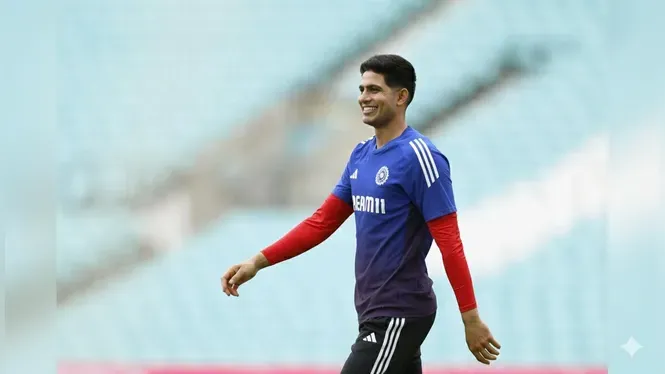
Indian cricket stands at an organizational crossroads as Shubman Gill's simultaneous leadership in ODI and Test formats forces unprecedented structural changes within the BCCI. The young captain's growing influence extends beyond match strategy into player management systems, with his active participation in domestic tournaments like the Vijay Hazare Trophy becoming a strategic lever in reshaping cricket administration.
The Captaincy Double Burden That Changed Everything
When Shubman Gill was reinstated as India's ODI captain for the January 2026 New Zealand series starting January 3, few anticipated the domino effect it would create. This reappointment came immediately after India's Test series whitewash against South Africa, where Gill's leadership faced its sternest examination and prompted his proposal for systemic reforms including dedicated preparatory camps. The twin responsibilities have transformed the 26-year-old from mere player to power broker within Indian cricket's hierarchy.
BCCI's reported willingness to grant Gill "bigger say in Test planning" marks a seismic shift from traditional board-dominated decision making. Insiders suggest this stems directly from Gill's detailed proposals including his much-discussed 15-day preparatory camps before every Test series - a direct response to India's recent home defeats against South Africa and red-ball struggles.
Vijay Hazare Trophy: The Unexpected Battleground
Gill's decision to participate in Punjab's Vijay Hazare Trophy campaign alongside stars like Arshdeep Singh while serving as national captain carries deeper significance than surface-level match practice. His presence at Rajasthan Cricket Academy grounds, where fans gathered on cold mornings hoping to catch a glimpse of the star, demonstrates a hands-on leadership style that's resonating through Indian cricket's power corridors.
This domestic tournament involvement serves dual purposes: it keeps Gill connected with grassroots talent while reinforcing his argument for centralized player management. By personally bridging the gap between international commitments and domestic circuits alongside players like KL Rahul representing their states, the captain is effectively demonstrating the integrated approach he advocates for Team India's long-term planning.
Test Cricket Revival Blueprint
The urgency behind Gill's proposed reforms becomes clear when examining India's recent Test performances. Following back-to-back home defeats including a 2-0 debacle against South Africa and failure to qualify for the World Test Championship final, the new captain has moved decisively:
- Advocating mandatory 15-day red-ball camps before every Test series to combat preparation gaps exposed during recent whitewash defeats
- Pushing for greater captain involvement in scheduling and preparation timelines
- Establishing continuity between domestic and international player development
BCCI's apparent openness to these suggestions signals recognition that traditional management approaches need overhauling. Gill's blueprint focuses on specialized preparation - a stark contrast to the compressed schedules that contributed to India's recent Test cricket crisis.
ODI Leadership as Organizational Leverage
Gill's reinstatement as ODI captain against New Zealand in January 2026 provides crucial leverage in his negotiations with cricket administrators. Holding both white-ball and red-ball leadership roles simultaneously gives him unprecedented bargaining power in team management discussions.
This dual authority enables Gill to implement cohesive strategies across formats, particularly regarding player workload management. His cross-format influence now extends to:
- Tour scheduling consultations
- Domestic-international cricket integration
- Long-term player development pathways
The New Power Equation in Indian Cricket
Gill's expanding role represents more than personal career progression - it reflects structural evolution within Indian cricket governance. The traditional separation between board administrators and team captains is blurring as performance pressures demand specialized leadership.
Key indicators of this power shift include:
- Direct captain involvement in strategic planning committees
- Increased weight given to on-field leadership in administrative decisions
- Recognition of technical expertise over purely administrative experience
This transformation comes as Indian cricket faces its most challenging phase in recent years. With Test rankings slipping and World Test Championship ambitions unfulfilled, Gill's technical insights as active player-captain carry newfound authority in boardrooms.
Centralized Management: The Gill Doctrine
At the heart of this power shift lies Gill's vision for centralized player management - a system where international commitments and domestic cricket feed into a unified development pipeline. His Vijay Hazare Trophy participation with Punjab models this philosophy, demonstrating that national captains can (and should) maintain connections with state-level cricket.
The practical implications of this approach include:
- Synchronized scheduling between international fixtures and domestic tournaments
- Shared fitness and technical development protocols across levels
- Strategic deployment of national players in key domestic matches
By personally implementing this model, Gill strengthens his case for systemic reform. Each run scored in Vijay Hazare Trophy matches doubles as political capital in his negotiations with BCCI administrators.
World Test Championship: The Ultimate Goal
Gill's increased influence ultimately serves one overarching objective: reviving India's Test cricket fortunes to secure World Test Championship glory. Reports confirm the captain has already shifted focus to the 2027 final, using proposed reforms as building blocks for sustained red-ball success.
The 15-day camp proposal forms just one component of a comprehensive strategy that includes:
- Specialized conditioning for Test cricket's physical demands
- Technical workshops addressing recent batting collapses
- Opposition-specific simulation training
BCCI's willingness to entertain these ideas suggests recognition that Test cricket's unique challenges require specialized preparation - a philosophy Gill embodies through his own domestic tournament commitments.
Leadership Beyond the Boundary
What makes Gill's organizational impact remarkable is how it extends beyond conventional captaincy duties. While previous captains influenced team selection and on-field tactics, Gill is reshaping:
- Player development timelines
- Domestic-international cricket relationships
- Coaching staff appointment criteria
This expanded leadership role reflects modern cricket's increasing complexity, where technical expertise must inform administrative decisions. Gill's dual-format authority creates a natural bridge between dressing room and boardroom - a connection previous captains struggled to establish.
The Ripple Effects
As Gill's influence grows, the organizational tremors spread wider. State associations now face pressure to align their programs with national team requirements. Selectors must consider long-term development pathways rather than immediate series needs. Even coaching staff find their roles evolving under this new leadership model.
The most significant impact, however, may be cultural. By valuing domestic cricket participation alongside international commitments, Gill challenges the perceived hierarchy between these formats. His visible presence in Vijay Hazare Trophy matches sends a powerful message about cricket's ecosystem interconnectedness.
A New Era for Indian Cricket Governance
Shubman Gill's dual captaincy represents more than personal achievement - it signals fundamental change in how India manages its cricket resources. The BCCI's apparent willingness to share power with its on-field leader reflects pragmatic adaptation to modern cricket's demands rather than voluntary concession.
As Gill prepares to lead India against New Zealand in ODIs starting January 3 while simultaneously driving Test cricket reforms, his career becomes a living laboratory for cricket governance innovation. The outcomes could redefine captaincy roles for generations, proving that sometimes, the most significant victories occur not on the field, but in the boardrooms and training grounds shaping the sport's future.